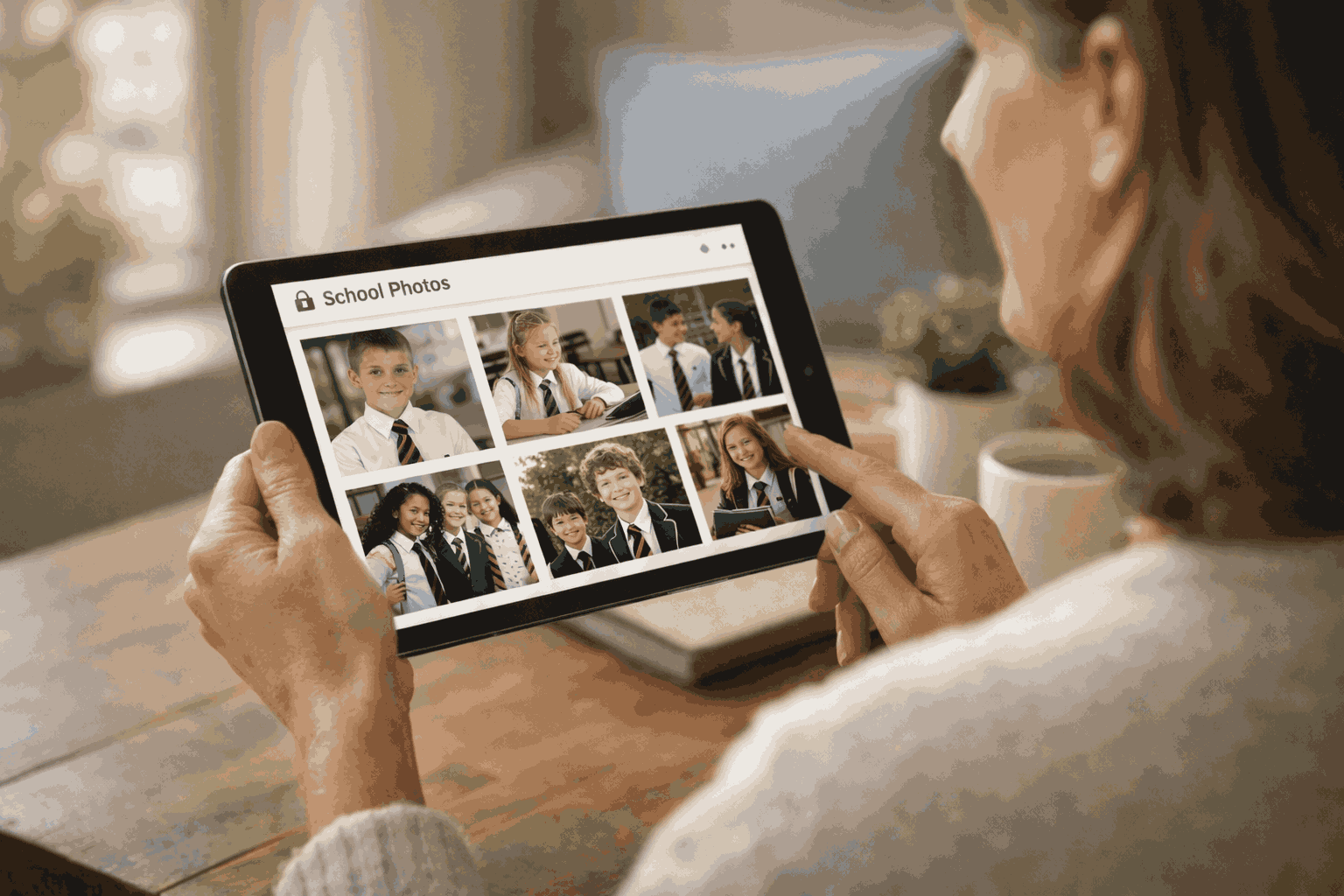
Capturing the Stories of Your Final-Year Students: Why It Matters and How to Do It Well
Summary: Final-year students are on the edge of one of the biggest transitions of their lives… leaving school or university and becoming alumni. This moment is rich with reflection, gratitude, uncertainty and personal storytelling, yet most institutions never capture it. By collecting student voices before they leave, schools and universities can build stronger alumni relationships, create powerful long-term marketing content and preserve memories that matter. This article explores why final-year reflections are valuable, how to gather them effectively, and simple engagement ideas you can introduce right away.
Every year, schools and universities celebrate a new cohort of graduates. There are ceremonies, photographs, speeches and farewell events. But while those traditions matter, they often miss something far more powerful… the lived experiences, aspirations, and personal stories of final-year students as they’re happening.
These final months are a unique snapshot in time: students are transitioning from one identity (pupil, student, classmate) to another (alumni, young professional, lifelong member of your institution’s community). Their voices during this period are reflective, emotional, often insightful, and yet, in most schools and universities, they go uncaptured.
What if you intentionally collected those stories?
What if you invited your final-year students to reflect regularly before they leave?
What if you gifted them (and your future alumni team) a digital time capsule of these final-year memories?
Alumni engagement is increasingly driven by personalisation and authentic storytelling. Capturing the voices of your students before they leave could just be one of the smartest long-term engagement strategies your institution can invest in.
This article explores why it matters, how to do it effectively, and the top engagement ideas to implement with your final-year students before they become alumni.
Why Capture Stories From Final-Year Students?
1. It strengthens alumni relationships before they even leave
Most alumni teams struggle with one consistent challenge: reconnecting after students have left. Once young people move on, their lives fill quickly… new cities, new jobs, new identities. Without a meaningful link back, institutions often find themselves trying to re-engage people who feel no ongoing emotional connection.
By capturing final-year experiences and reflections, you build that connection before the “disconnect” period begins. Students feel heard, valued and recognised, and they’re far more likely to stay engaged.
2. It creates powerful storytelling material for years to come
Student stories are an undervalued marketing asset.
Authentic student voices can fuel:
admissions and recruitment campaigns
marketing materials
alumni relations communications
fundraising storytelling
careers and mentoring programs
community engagement initiatives
anniversary and milestone celebrations
Imagine having hundreds of short clips of students talking about what your school/uni has meant to them, how they’ve grown, what they’re proud of, who inspired them and what they hope to do next…
Pro-tip: If you intend to use any of these stories in public-facing channels (such as marketing materials, social media or website content), make sure you obtain clear permissions from the individuals involved. Being transparent about how reflections may be used not only protects your institution but also builds trust with students and families.
3. A year-end digital montage becomes a memorable gift
Schools produce yearbooks and universities produce graduation videos but imagine something more personal and powerful: a curated montage created from student reflections, interviews, photos, and memories captured throughout their final year.
Students share it online. Families treasure it. For institutions, it becomes a lasting artefact of the graduating class, and a piece of content that future generations can look back on with nostalgia.
Pro-tip: If you're using SocialArchive, automated facial recognition makes it effortless to personalise content. Each student automatically receives their own curated gallery featuring every photo, video, or recorded reflection they appear in. When it’s time to create individual leavers’ videos, the process becomes incredibly fast - just select the student, add audio, and you’ll have a personalised video montage ready in seconds. This also creates a built-in incentive for students to sign up to your alumni platform, especially if their personalised videos are available exclusively after registration, ensuring you stay connected with as many leavers as possible.
4. Final-year insights improve student experience
Asking students to reflect regularly doesn’t just create content, it uncovers:
what students valued
what they struggled with
what shaped their journey
who made a difference
what traditions matter
what could be improved
The result is a cycle of continuous learning and better future experiences.
5. It builds long-term alumni engagement pathways

Final-year students who reflect on their personal journey begin to see themselves as part of something bigger:
A school community.
A university network.
A history that stretches beyond their time on campus.
This mindset shift is crucial for transforming students into active alumni who want to stay connected, give back, mentor others or support future campaigns.
Why Now Is the Time to Start Capturing Final-Year Stories
The shift toward digital engagement in schools and universities is accelerating. Alumni teams are recognising that:
younger alumni prefer authentic, digital-first content
personalised communication drives higher engagement
community storytelling increases emotional connection
maintaining engagement is more effective than re-engaging later
Tools like SocialArchive are making this easier by providing structured, secure spaces where schools and universities can collect and preserve these stories.
The challenge is no longer technology, it’s simply making the process intentional.
How to Capture Final-Year Stories Effectively
Capturing meaningful reflections doesn’t happen by accident. Here’s how to build a structured, sustainable process.
1. Start early
Don’t wait until exam season or graduation week. Emotions are highest in the early months, when students begin thinking about what’s coming next.
Introduce the idea of a Year of Reflection.
This could include:
monthly reflection prompts
guided digital submissions
short video or audio recordings
group discussion clips
spontaneous moments from events
photo and memory submissions
By spreading it out, you get more genuine, diverse and meaningful content.
2. Make submission simple, fast, and mobile-friendly
The biggest barrier? Effort.

If the process involves forms, downloads, or complicated uploads, students won’t do it.
Provide:
a single link
a simple interface
the option to record on mobile
the choice of video, audio or written reflections
clear prompts
3. Use prompts that spark real stories
The quality of the reflections depends on the quality of the questions.
Some great prompts:
“What’s one moment this year you’ll never forget?”
“Who shaped your journey here, and how?”
“What surprised you about your final year?”
“What advice would you give next year’s students?”
“How have you changed since you first arrived?”
“What does this place mean to you now?”
“What do you hope your future self remembers about this year?”
Prompts should be reflective, emotional and open-ended.
4. Create collection moments throughout the year
Build reflection opportunities into existing activities:
final sports events
shows and productions
field trips and excursions
graduation rehearsals
last classes
final examinations
leavers’ ceremonies
social events and balls
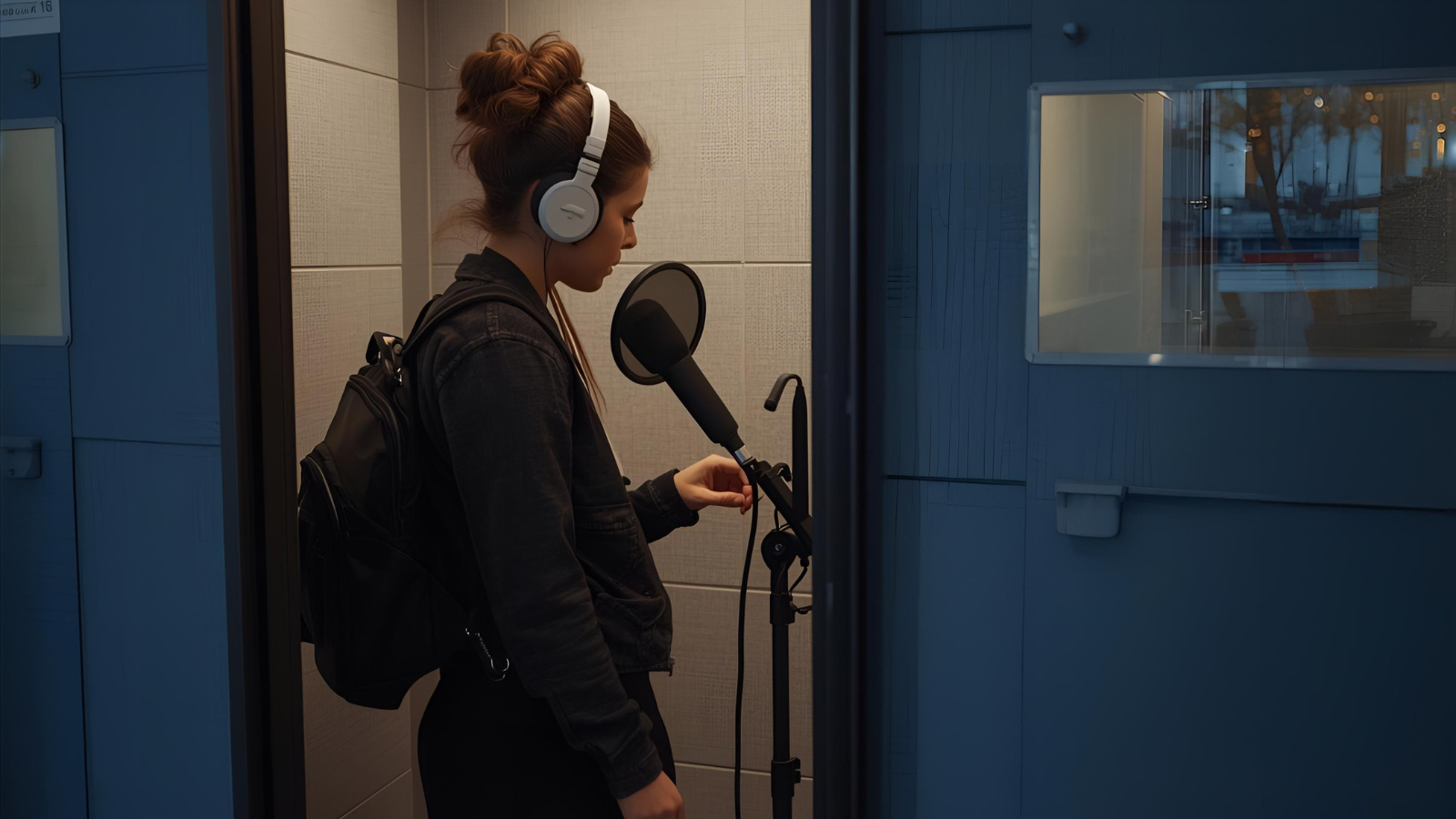
Set up a recording booth or a “reflection corner” where students can step in and share a memory, as well as uploading the content from these moments to your archive as and when they happen.
5. Involve teachers, staff, and alumni
Some of the most touching moments come from those who knew the students well.
Collect messages from:
form tutors
lecturers
sports coaches
support staff
heads of year
alumni who want to welcome them into the wider community
These voices add richness and intergenerational connection.
6. Store your content securely
Once you’ve gathered final-year reflections and memories, make sure everything is stored safely in your archive. This means you can:
control visibility for individuals, year groups, or keep content private until you’re ready to share it
organise assets easily using tools like facial recognition, OCR, and automatic transcription
quickly create personalised leavers’ videos by pulling together all the content that features each student
This ensures nothing is lost, everything is searchable, and every leaver can receive a meaningful digital gift as they move on.
Pro-tip: SocialArchive includes all the features you need to make this project a success. While it provides a heartfelt keepsake for your leavers, it also becomes a long-term engagement asset that keeps former students connected to your school or university.
7. Share strategically for impact, as well as nostalgia
Use the content in places where it will drive future engagement:
orientation events
alumni newsletters
fundraising campaigns
open days and admissions material
trustee and governor reports
school or university marketing campaigns
Authentic student voices can be far more powerful than polished institutional messaging, however, ensure you’ve collected the right permissions from your community before using content publicly.
Some of our Top Engagement Ideas for Final-Year Students (Before They Leave)
If you're ready to build a final-year engagement strategy, start with these ideas:

1. The Monthly Reflection Challenge
Send a reflection question each month throughout their final year.
2. The Future Advice Wall
Students record 30-second clips of the advice they’d give to themselves at the start of their studies. This becomes brilliant content for the next cohort.
3. The Legacy Project
Invite students to contribute one memory, object, story, or photo to a “Class Legacy Collection.”
4. The Voices of the Class Video
Capture students finishing the sentence:
“In one word, this year was…”
“The best part of my experience here was…”
“I’ll never forget…”
This creates a beautiful montage.
5. The Thank-You Series
Encourage students to record thank-you messages for staff. These clips are emotional, uplifting, and incredibly powerful for community culture.
6. The Leavers’ Interview Booth
Set up a simple camera setup during key events and encourage walk-in interviews.
7. The First-Year vs Final-Year Comparison
Ask final-year students the same questions they answered when they first joined. The differences are astonishing, and great for marketing and future engagement.
8. The Alumni Welcome Campaign
Invite alumni to send short messages welcoming final-year students into the alumni community. This builds a sense of continuity and belonging.
The Long-Term Benefits for Your Institution
Collecting final-year stories is more than a nostalgic project, it offers clear strategic value:
Higher alumni engagement
Better contact retention
More relevant and personalised communications
Stronger emotional connection to your institution
Rich archives for future anniversaries
Better marketing and recruitment content
Improved student experience through reflective feedback
Most importantly, it helps graduates see themselves not as people leaving, but as people continuing their relationship with you in a new form.
Final Thoughts

Capturing the stories of your final-year students is one of the simplest, most impactful steps schools and universities can take to future-proof their alumni engagement strategy.
It doesn’t need to be complicated. It doesn’t need to be expensive. And with the right tools, it can run smoothly year after year.
But the impact?
It lasts a lifetime.
If you start capturing their voices now, you won’t have to chase their attention later.
They’ll already feel connected.
Because the story they told with you is a story they’ll come back to.
A reminder of the small moments across their final year becomes an invaluable gift for students, families, staff, and for your institution’s storytelling for generations to come.
If you’d like to explore how SocialArchive can support your final-year engagement strategy, contact us today or book a short demonstration. We’d love to help you plan your first “Year of Reflection” project.
Key Takeaways:
Final-year stories are emotionally rich, authentic and time-specific, catching a moment that can’t be recreated later.
Capturing reflections before students disconnect significantly increases long-term alumni engagement.
Student-generated content can fuel recruitment, marketing, fundraising, mentoring, and anniversary campaigns for years to come.
A structured capture plan works best: start early, make submissions simple, provide prompts and integrate capture into existing events.
Involving staff, alumni and family adds intergenerational context and strengthens community culture.
Secure storage and easy retrieval are essential. Invest in a platform that provides archive tools, simple memory capture and organisation tools, permissions and search features so nothing gets lost.
FAQs:
Why is the final year so important for gathering student stories?
Emotions and memories are strongest during this transition. Students are reflective and honest, and it only happens once, making it a prime time to capture authentic voices.
What kind of content works best?
Short video or audio reflections, thank-you messages, event memories, first-year vs final-year comparisons, and prompts like “What will you never forget?” all work extremely well.
Can this be done with minimal staff time?
Yes. With a simple submission process (one link, mobile-friendly recordings, clear prompts), students will submit meaningful content without heavy administration.
What about permissions?
Always ask for clear consent if content may be used publicly (whether in marketing materials, alumni newsletters, or on social channels). Transparency builds trust.
How can schools and universities use the collected content later?
Use it to create personalised leavers’ videos, digital yearbooks, legacy collections, admission materials, anniversary campaigns, mentoring programs, or future fundraising storytelling.
What tools help manage all this content?
Digital archive andd engagement platforms like SocialArchive make it easy to store, tag, sort and retrieve student memories so nothing gets lost and everything remains searchable.
Other articles that may be of interest: