Young Alumni Engagement: Building Relationships That Last Decades
LAST UPDATED: April 2026
Summary: The donors who make transformative gifts at 55 almost always have a long prior relationship with their institution, one built on genuine connection, not solicitation. Young alumni are the beginning of that relationship. This article sets out a practical framework for building it well, from the first year after leaving through to the point where the giving conversation becomes natural.
Most institutions apply the same engagement model to all alumni regardless of when they left. The newsletter goes out to everyone. The giving appeal lands in every inbox. The reunion invitation reaches the class of 1989 and the class of 2022 alike.
For older alumni, this often works. Decades of distance, a settled career, a family, and then a surge of nostalgia when a photograph from their school days arrives in their inbox. The emotional conditions for engagement are in place.
For someone who graduated three years ago, it rarely lands the same way. Not because they don't care about their institution, but because the conditions are different. The memories are still fresh. The career is still forming. The financial capacity to give is limited. And the request (implicit or explicit) to support an institution they only recently left can feel premature at best, tone-deaf at worst.
The institutions that do young alumni engagement well understand this. They don't try to compress the relationship. Instead, they invest in it. Building genuine connection across the years when giving isn't yet possible, so that when it is, the relationship is already there.
This article sets out how to do that, and why the archive, careers programme and community platform you build now are the foundation of your fundraising pipeline for the next three decades.
The Archive Already Exists, It’s Just Recent
One of the most common assumptions about young alumni engagement is that there's nothing in the archive for them. The photographs are from the 1960s. The yearbooks are from another era. The institutional memory doesn't include them yet.
This is almost never true.
Every school sports day from the last five years was photographed. Every leavers' event, every production, every prize-giving, every sixth form trip. The content exists, it just hasn't been systematically collected, tagged and made accessible in the same way as older material. The archive doesn't stop at a certain year. It runs right up to yesterday.
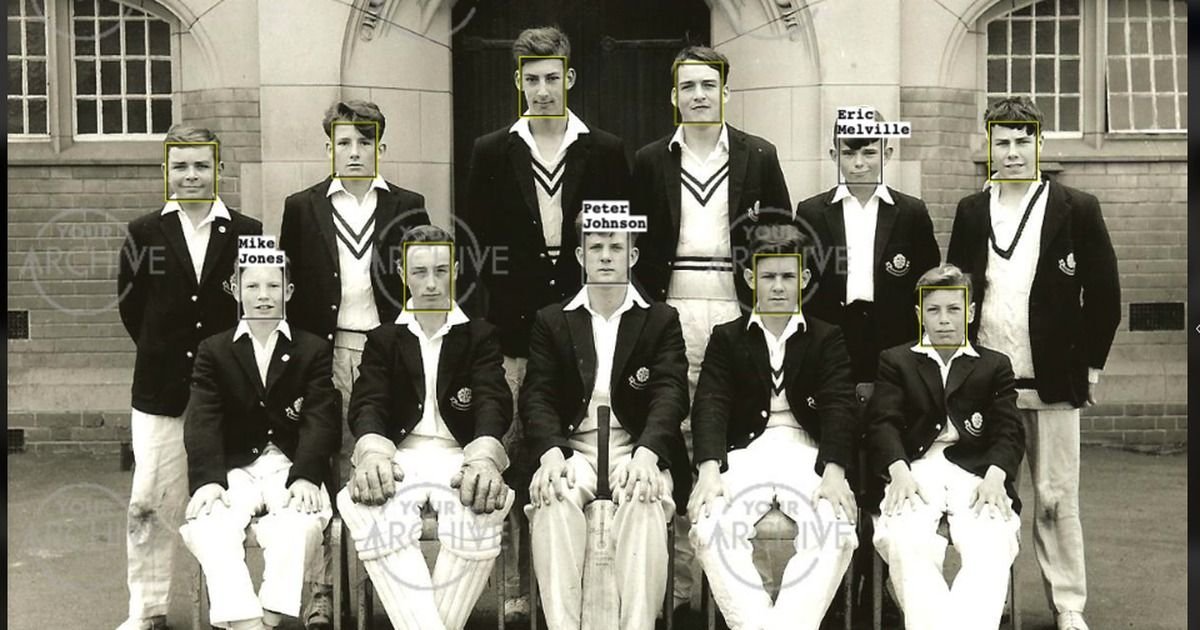
Making recent archive content accessible to young alumni is one of the most effective and underused engagement tools available. A 2021 leaver finding photographs of themselves at a school production three years ago experiences the same recognition and nostalgia as an older alumnus finding a 1987 cricket team photograph. The emotional mechanism is identical; the timescale is just compressed.
The concept of the living archive is relevant here, the idea that today's content is tomorrow's heritage, and that institutions which capture and curate it now are building an asset that compounds in value over time. Young alumni are not a gap in your archive. They are its most recent chapter.
Their Own Content is Part of the Archive Too
Young alumni carry something older cohorts cannot offer: phones full of photographs and videos from their time at your institution that you never captured.
The candid moments between official events. The informal group photographs. The videos from trips and tournaments. The content that didn't make it into the school's own records but that alumni treasure, nonetheless. And that would enrich your archive enormously if it were collected.
Opening a content submission pathway for recent alumni serves two purposes simultaneously. It expands the archive with material you would otherwise never have, and it gives young alumni an immediate, active role in their institution's history. They are not passive recipients of engagement. They are contributors to something permanent.
This matters psychologically. Participation creates ownership, and ownership creates belonging, and belonging, as research consistently shows, is one of the strongest predictors of long-term alumni engagement and giving. A 2021 study by Drezner and Pizmony-Levy found that alumni with a stronger sense of belonging are more likely to give and to volunteer. This relationship holds regardless of income, age or demographic factors.
An alumnus who has contributed their own photographs to the institutional archive has a different relationship with that archive (and with the institution), than one who has only ever received communications from it. For more on why this is important, see The Power of Participation: Why Every Alumni Voice Matters.
Your alumni. Your archive.
Every photo submitted becomes part of something permanent.
The Careers Bridge: Why Young Alumni Are Your Most Valuable Current Voice
Young alumni occupy a unique position in your community that no other group can fill: they have recently navigated exactly what your current students are anxious about.
University applications. The gap between expectation and reality in higher education. Finding a first job in a competitive market. Navigating the early years of a career. Understanding what skills actually matter, and which parts of their school experience turned out to be genuinely valuable.
This knowledge is timely, specific and relevant in a way that even a very distinguished alumnus from an earlier era cannot match. The job market a 45-year-old alumnus navigated bears little resemblance to the one a current sixth former is about to enter. The experience of a 25-year-old who graduated three years ago is far more directly applicable.
A structured careers programme that gives young alumni a platform to share their experience, through short videos, oral histories, Q&A sessions or written stories, serves three groups at once. Current students receive genuinely current advice. Young alumni are given a meaningful reason to stay engaged with the institution beyond receiving newsletters. And the institution builds a careers content library that grows more valuable with every cohort that passes through.
For more on building this kind of resource, see Careers Advice on Demand: What Schools and Universities Can Learn from Streaming Services
The participation cycle
How contribution deepens connection over time
The Long Game: Why the Relationship You Build Now Shapes Giving for Decades
The most important thing to understand about young alumni fundraising is that the ask is not now.
According to the IDPE and Gifted Philanthropy Schools' Fundraising and Engagement Benchmarking Report 2022, 61% of alumni giving comes from former pupils aged 55 and over and just 16% comes from alumni under 40. Not because young alumni don't care, but because they are still building their careers and financial lives. The 2023 update to that report adds another layer: the development offices raising the most money aren't just the ones with the biggest budgets. They're the ones with the most contactable alumni and the most consistent, personal engagement programmes.
This is not a problem to solve. It is the pipeline to manage. The institutions that will be in the strongest position with that 55-year-old donor started building the relationship when they were 25. Major gift fundraising is built on decades of relationship development. Development professionals understand that the donor who makes a transformative gift at 55 has almost always had a long prior relationship with the institution. One that was nurtured carefully, often starting years before any ask was ever made. Young alumni are the beginning of that pipeline.
The development timeline
The relationship you build now shapes what becomes possible later.
The alumni who give most generously are rarely those who received the most solicitations. They are those who felt most genuinely connected to their institution. Those who participated, who were recognised, who were asked to contribute their expertise before they were ever asked to contribute their money.
Every piece of engagement infrastructure you build for young alumni (the archive access, the careers contribution pathway, the community platform), is an investment in a relationship that will pay dividends long after the current alumni relations team has moved on.
What to Actually Do: A Practical Framework by Stage
Years 1–3: Connect and Capture
The priority in the first three years after leaving is establishing a connection that doesn't depend on nostalgia (because the memories are too recent for nostalgia to have fully formed yet). Focus on:
Making recent archive content accessible: cohort-specific galleries, leavers' content, recent events
Inviting content submissions: a simple, user-friendly process for alumni to contribute their own photographs and memories
Launching a careers contribution pathway: short video stories, written reflections, or Q&A participation for those willing to share their post-leaving experience
Low-ask communication: updates about the institution, celebration of their own achievements, content that feels relevant to where they are now.
Years 3–10: Deepen and Involve
As careers develop and lives settle, the opportunities for meaningful participation grow. This is the period to build active involvement:
Careers contribution and the on-demand library: alumni recording short video stories, written reflections or Q&A responses about their post-leaving experience. Safeguarding-safe by design: content is reviewed and published by the institution, with no direct contact between alumni and current students
Volunteering and ambassadorship: admissions events, open days, virtual panels and alumni spotlights give alumni a visible, purposeful role with low time commitment
Reunion and cohort engagement: the five-year and ten-year reunion windows are powerful reactivation moments, particularly when supported by a rich archive of content from their own years at the institution
Years 10+: Nurture and Steward
By this stage, the emotional conditions for deeper engagement are developing naturally. Careers are more established, disposable income has grown, and the distance from school or university has given the experience the kind of retrospective warmth that drives nostalgia. The relationship you built in years one to ten is the foundation for everything that follows, including, in time, the giving conversation.
The Relationship Is the Investment
Young alumni are not a low-priority segment to be engaged when resources allow. They are the beginning of your longest and most valuable fundraising and community relationships. The institutions that treat them that way will see the results across the next two to three decades.
The archive, the careers programme and the community platform are not separate initiatives. They are three dimensions of a single strategy: giving young alumni genuine reasons to stay connected, to participate, and to feel that their institution values them as contributors rather than just future donors.
The ask will come. But only after the relationship is there to support it.
If you're ready to start building relationships with your young alumni, we'd love to show you what that looks like in practice. Book a demo and we'll walk you through how SocialArchive supports young alumni engagement from day one.
FAQs:
How is young alumni engagement different from general alumni engagement?
The core difference is timing. Older alumni have had years or decades to develop nostalgia, establish careers and accumulate the financial capacity to give. Young alumni are still in the early stages of all three. Effective young alumni engagement doesn't try to rush this process. It meets people where they are, offering participation and community rather than leading with financial asks.
When should we start engaging alumni after they leave?
Immediately, and consistently. The transition from student to alumnus is a moment of high emotional significance; leavers' events, graduation, the last day of school. Institutions that capture this moment and maintain contact from day one establish a habit of engagement that is far easier to sustain than one that tries to re-engage alumni who have had no contact for several years.
What content actually engages young alumni?
Recent archive content featuring them or their cohort, updates about people they know who are still at the institution, careers content from alumni just a few years ahead of them, and opportunities to contribute their own stories and images. Generic institutional newsletters perform poorly with this group. Personalised, cohort-specific content performs significantly better.
How do we make the careers contribution feel worthwhile for young alumni?
Frame it as giving back rather than doing the institution a favour. Young alumni who are asked to share their experience with current students are being given a platform and a sense of purpose. The opportunity to be genuinely useful to someone navigating a situation they recently faced themselves. Recognition matters too: featuring contributors in alumni communications, social media and the archive itself gives participation a visible reward.
How does young alumni engagement connect to long-term fundraising?
The connection is well evidenced in major gift fundraising practice. Donors who make transformative gifts almost always have a long prior relationship with the institution, one built on participation, recognition and genuine connection rather than solicitation. Young alumni are the start of that journey. The investment made in years one to ten shapes the entire arc of the relationship, including what becomes possible in years twenty to thirty.
Is it worth investing resources in alumni who won't give for decades?
Yes, for two reasons. First, some young alumni will give earlier than expected, particularly through small annual fund participation that builds a giving habit. Second, and more importantly, the cost of re-engaging a lapsed alumnus after ten years of no contact is significantly higher than the cost of maintaining a low-level but consistent relationship from the start. Retention is almost always more efficient than reacquisition.
Other articles that may be of interest: