How to Start a Digital Archive at Your School (Without an Archivist)
Summary:Starting a digital archive doesn’t require an archivist, a perfect system or a major project. This practical guide explains how schools can begin small, capture meaningful stories, and build a sustainable digital archive that supports engagement, storytelling and long-term continuity.
LAST UPDATED: March 2026
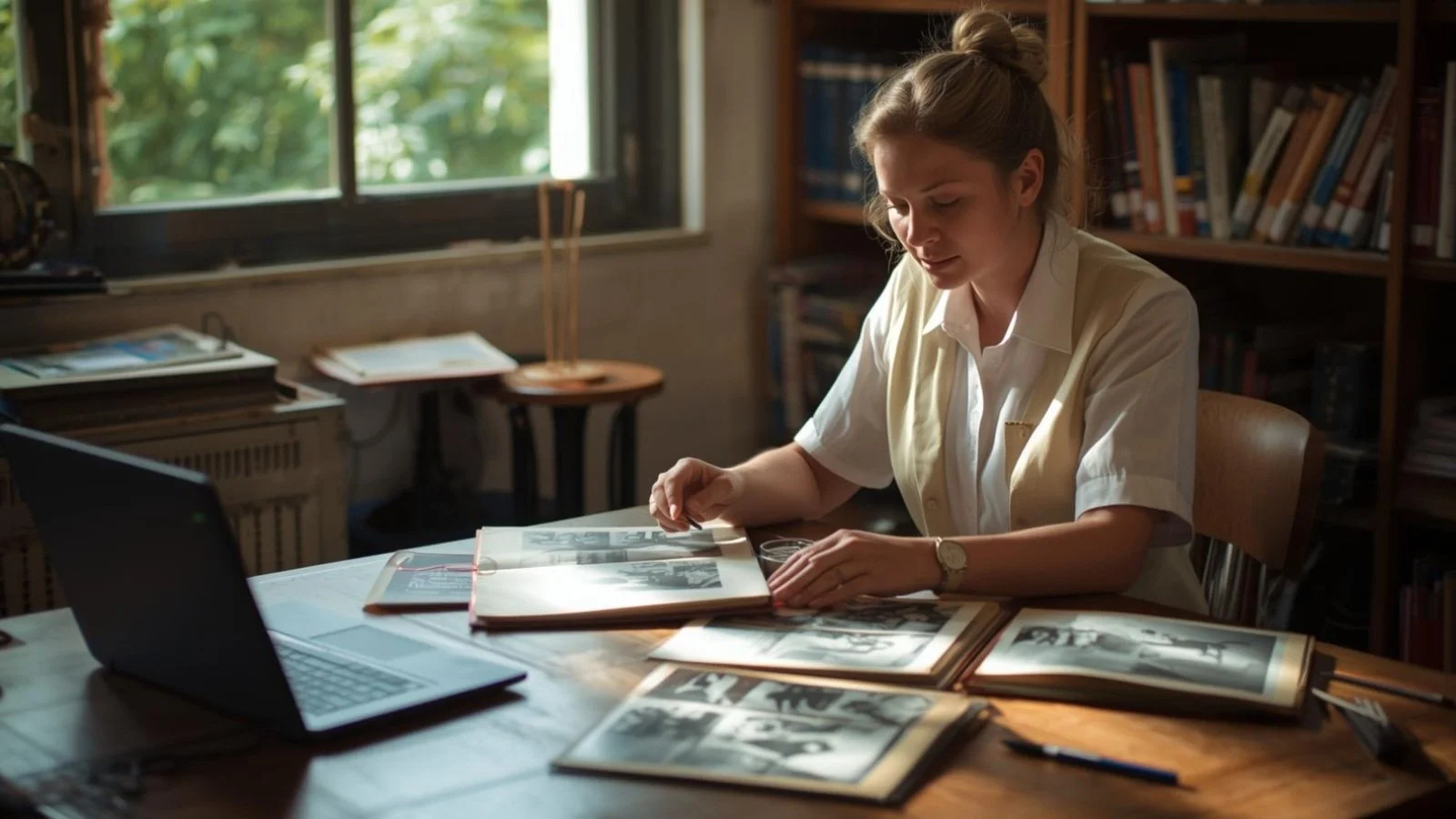
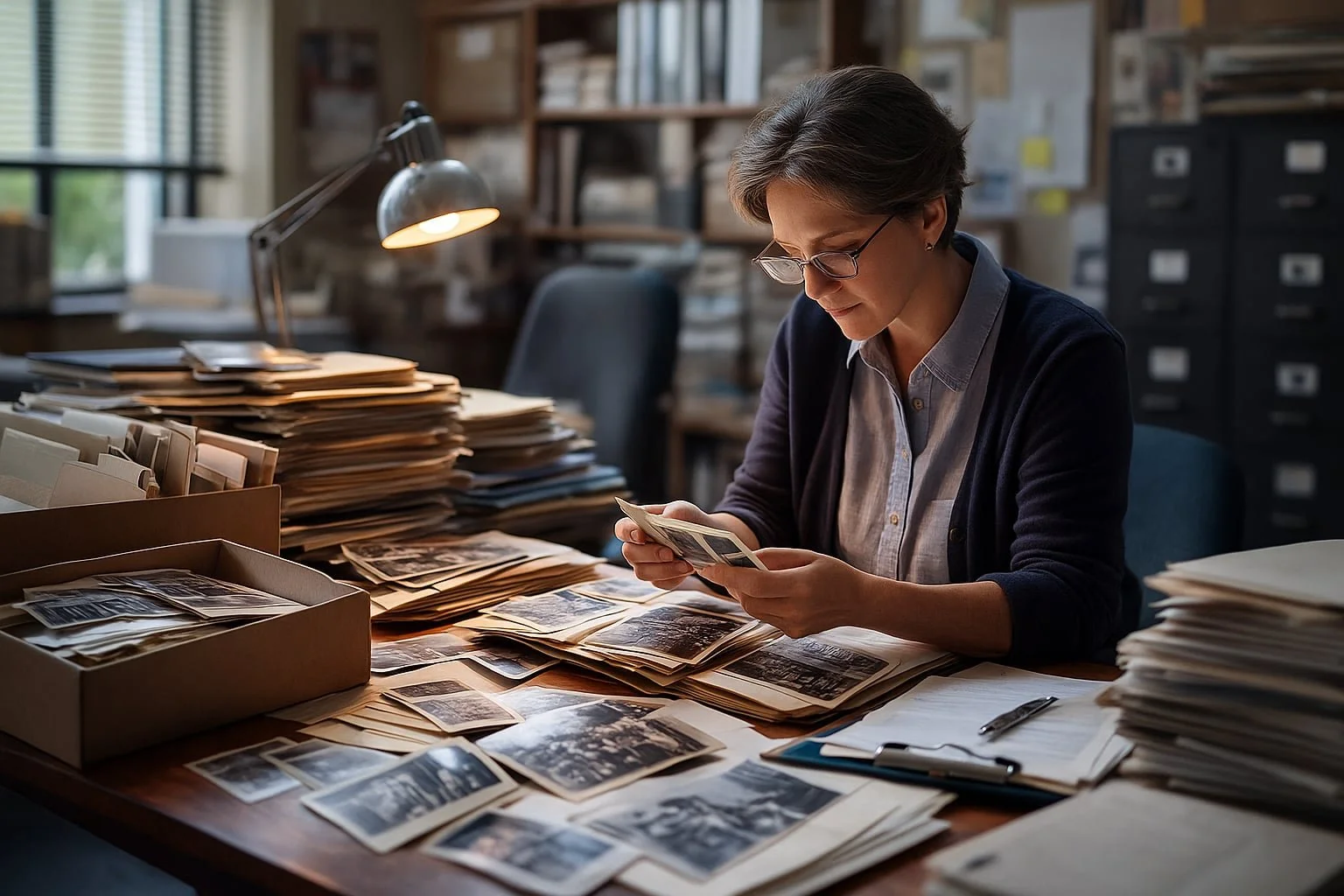
Many schools know they should be doing something with their history. They have cupboards full of photos, shared drives packed with images, old magazines in storage, and stories sitting in people’s heads.
If you’re still weighing up whether building a digital archive should be a priority, we explore that in more detail in 7 Reasons Every School Needs a Digital Archive, including how archives support engagement, fundraising and community continuity.
But when it comes to actually starting a digital archive, the same barriers come up again and again:
“We don’t have an archivist.”
“We don’t have the time.”
“We don’t know where to start.”
“We can’t take on another big project.”
The good news is this: you do not need an archivist, specialist training, weeks of time, or a perfect system to start a digital archive. What you need is clarity, realistic scope, and the right approach.
This guide breaks down how schools can start a digital archive in a way that is manageable, sustainable, and genuinely useful, even with limited staff and capacity.
What a Digital Archive Really Is (And What It Isn’t)
Before starting, it helps to reset expectations.
A digital archive doesn’t have to begin as:
A fully catalogued historical database
A one-off digitisation project that dominates your year
A complete record of everything your school has ever created
A digital archive can be:
A secure, searchable place to store your school’s photos, videos, documents and stories
A flexible resource that grows and evolves over time
A foundation for storytelling, alumni engagement, admissions, advancement and development work
Some schools will go on to build highly structured, fully catalogued historical collections, and the right platform should support that. Others will start with lighter structure and grow into it.
The biggest misconception is that an archive needs to be “finished” before it can be useful. In practice, the most successful digital archives start small, deliver value early, and become more sophisticated over time.
Why Schools Without Archivists Are Still Starting Archives
Most schools do not employ archivists, but that hasn’t stopped them recognising the growing value of their shared memories.
What’s changed is not just how much digital material schools hold, but how that material can be used. Photos, videos and stories are no longer simply records of the past. When organised and contextualised, they enable personalised communication, emotionally resonant storytelling, and stronger long-term engagement.
Schools are increasingly seeing that:
Alumni respond more strongly to content that reflects their era and experiences, particularly when schools focus on personalisation to build stronger alumni engagement.
Nostalgic, emotionally driven storytelling deepens belonging and long-term support in ways that generic updates simply cannot.
Stories scattered across drives, phones and platforms are difficult to reuse meaningfully, which is why many schools are rethinking how tomorrow’s history is being written right now.
Structured, discoverable content matters more than ever as AI increasingly shapes how people find and engage with school stories.
In this context, a digital archive becomes less about “looking back” and more about continuity. It allows schools to reconnect people with the moments that shaped them, deliver content that feels relevant and personal, and ensure today’s memories remain accessible and meaningful in the future.
How to Start Your Digital Archive
Step 1: Start With a Clear, Modest Purpose
You do not need to archive everything.
Instead, ask one simple question:
What problem are we trying to solve right now?
Common starting points include:
Supporting an upcoming anniversary
Creating better alumni engagement content
Preserving at-risk materials
Capturing student, parent or alumni voices
Organising photos so they can actually be reused
Pick one primary purpose. This keeps the project focused and achievable.
Step 2: Decide What to Collect First (Hint: Not Everything)
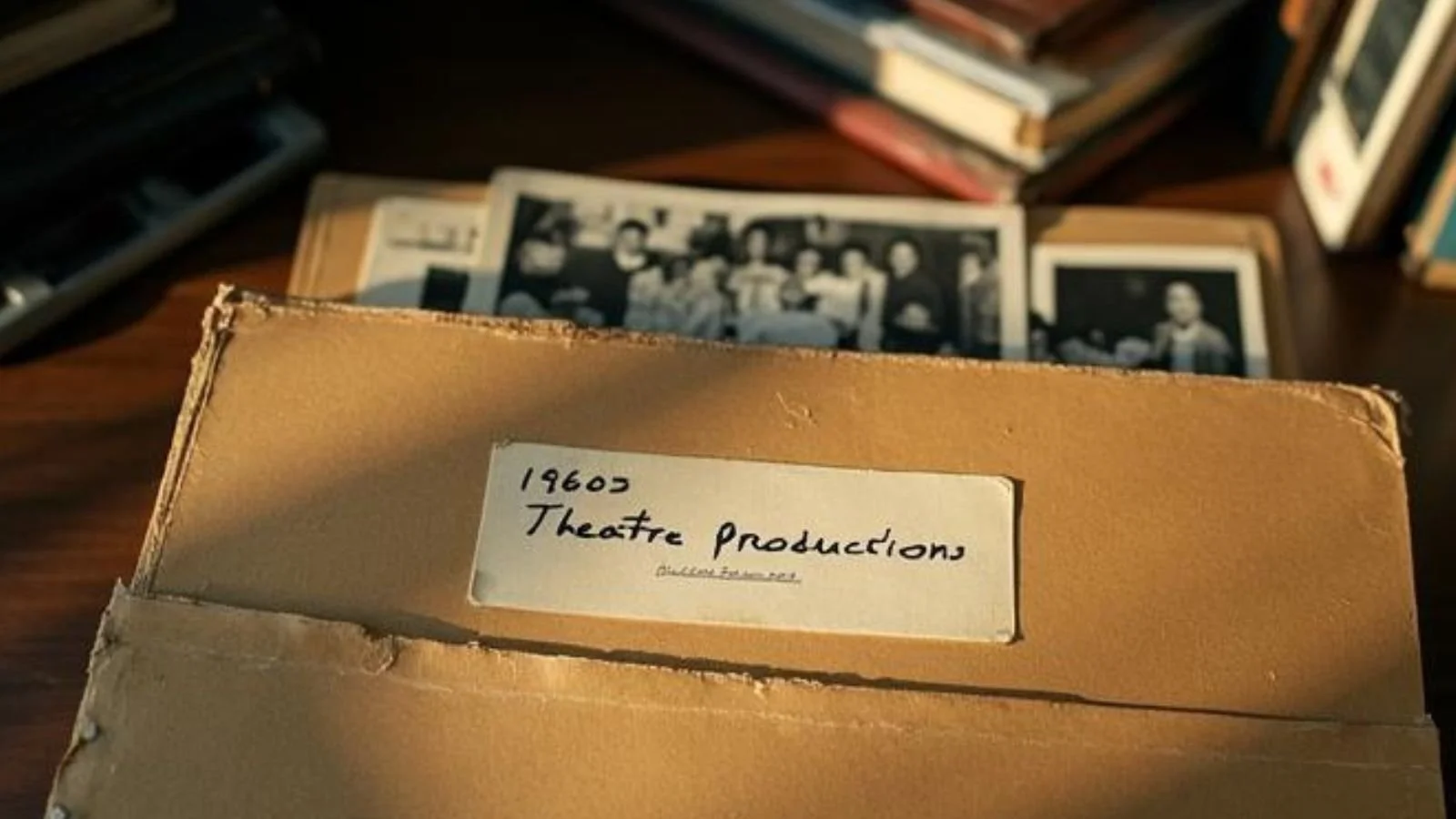
One of the biggest blockers to starting is volume. There is simply too much material.
So, narrow it down.
Strong starting collections often include:
Focusing just on specific eras
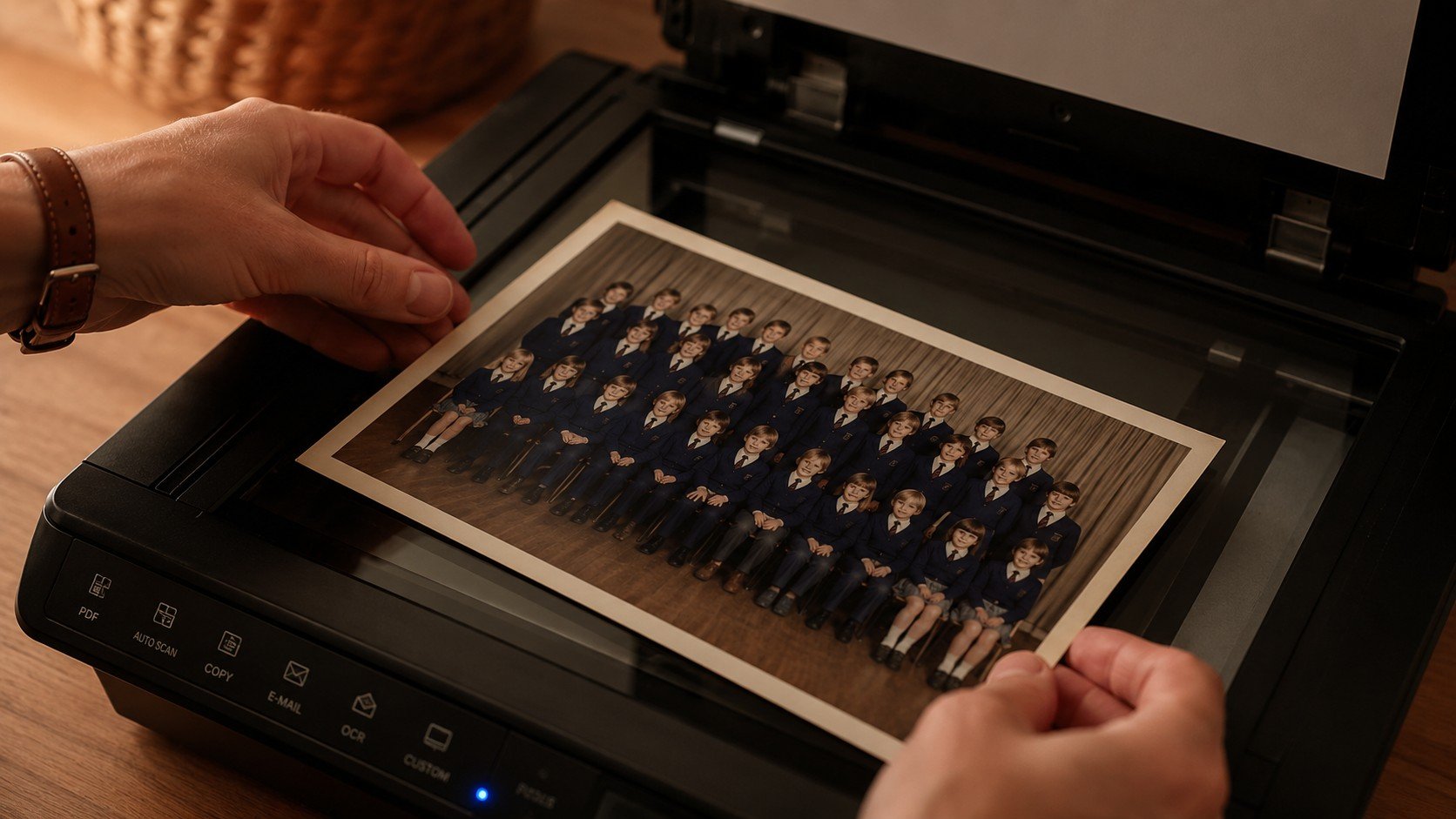
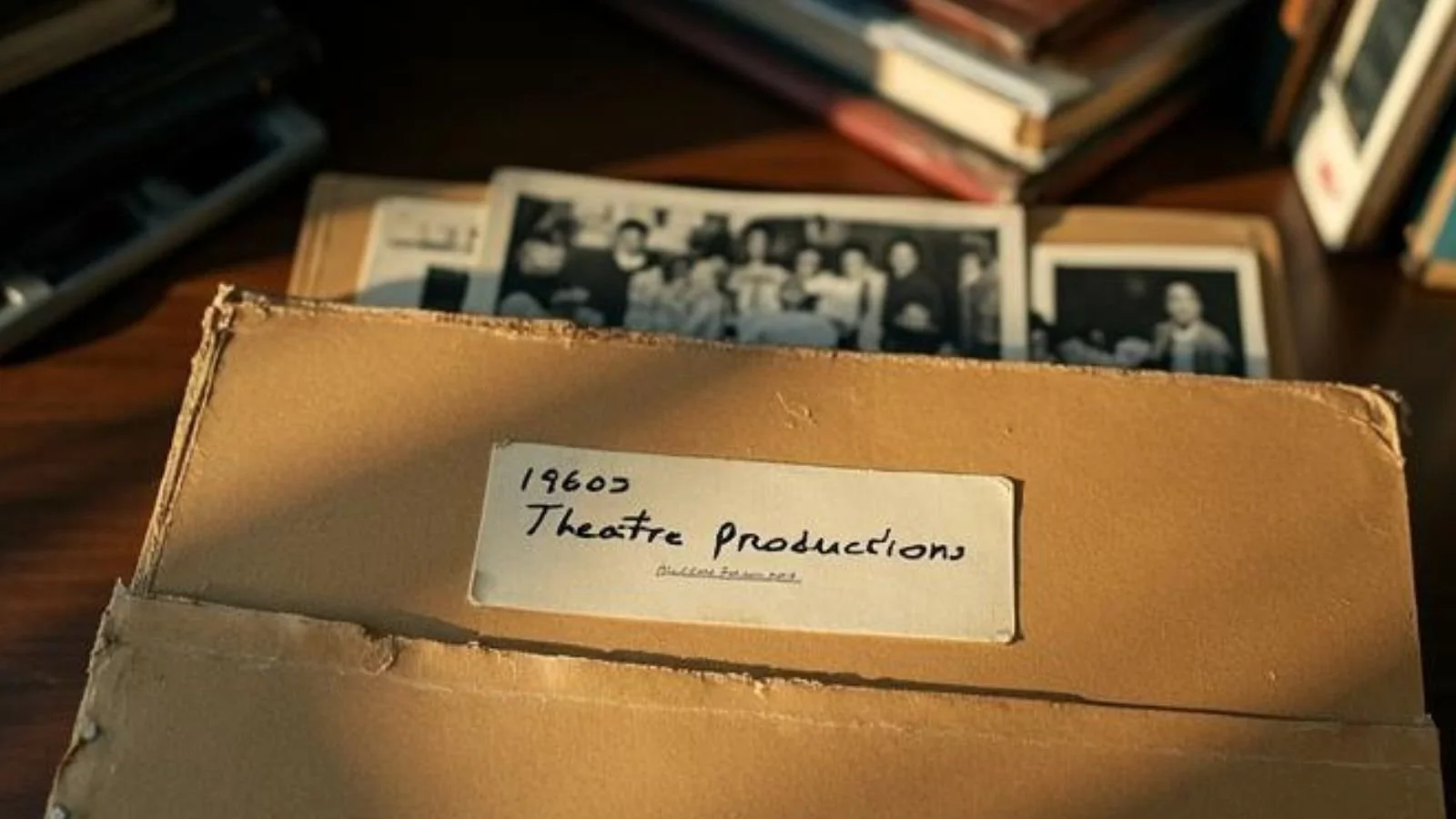
Historic photos (especially those only held in print)
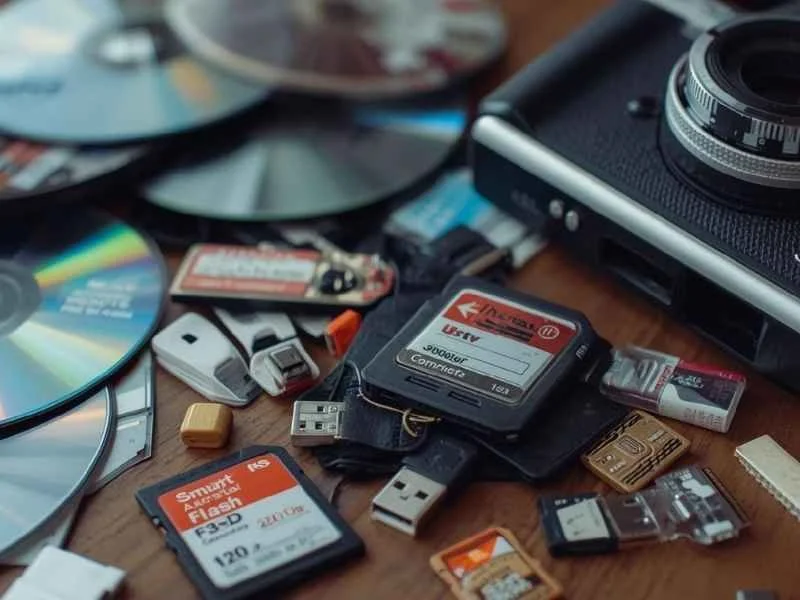
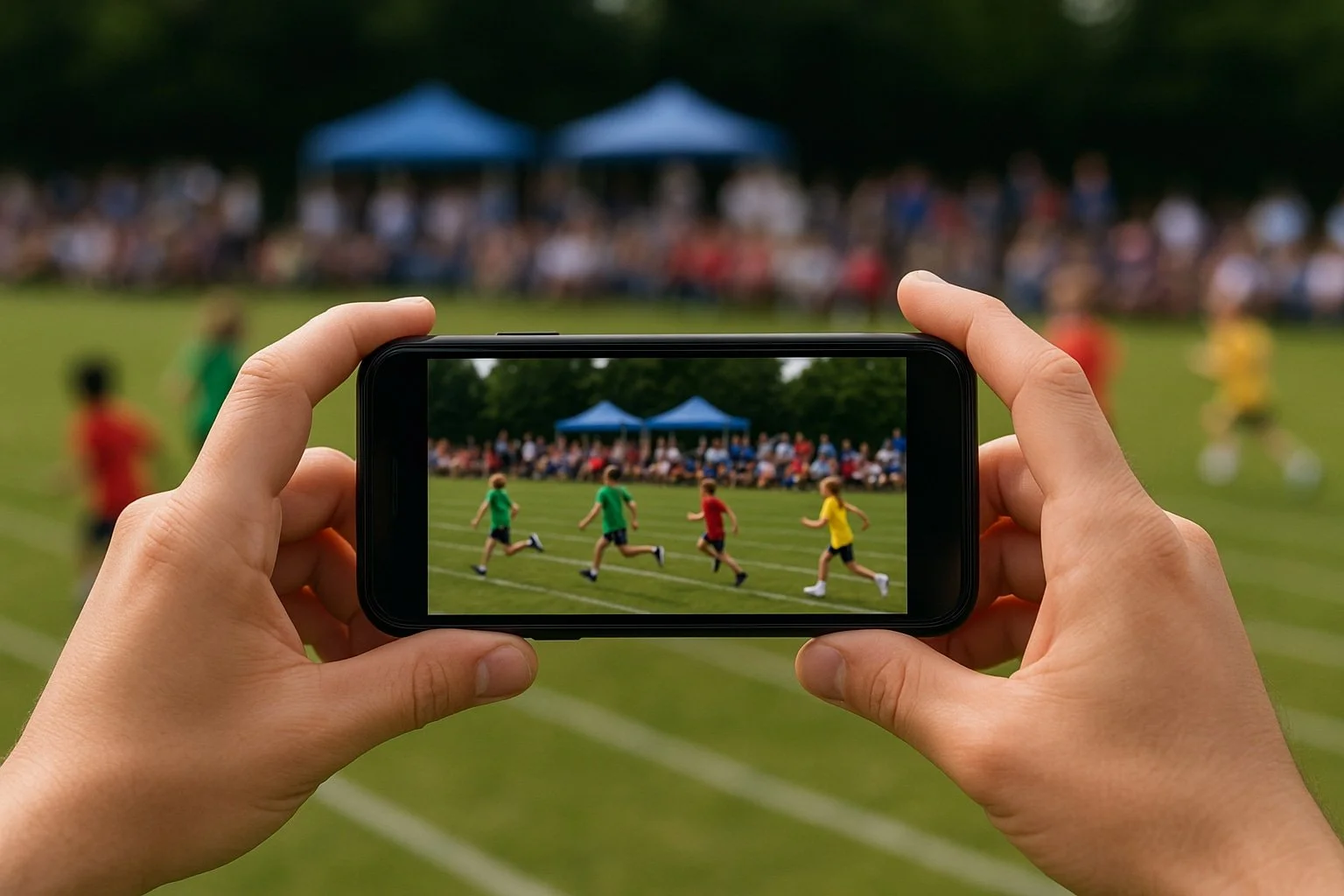
Recent digital photos that currently live on phones or social platforms
Alumni magazines or newsletters
Oral histories or written reflections
Key documents that tell your school’s story
Step 3: Don’t Digitise the Past Before Capturing the Present
Many schools assume they must digitise their entire back catalogue before moving forward. This often stalls projects indefinitely.
Instead:
Capture today’s stories while they are easy to collect
Invite alumni, students or staff to contribute reflections now
Upload recent photos and videos first
This approach creates momentum and immediate value, while older material can be added gradually.
Step 4: Make Contribution Easy (This Is Critical)
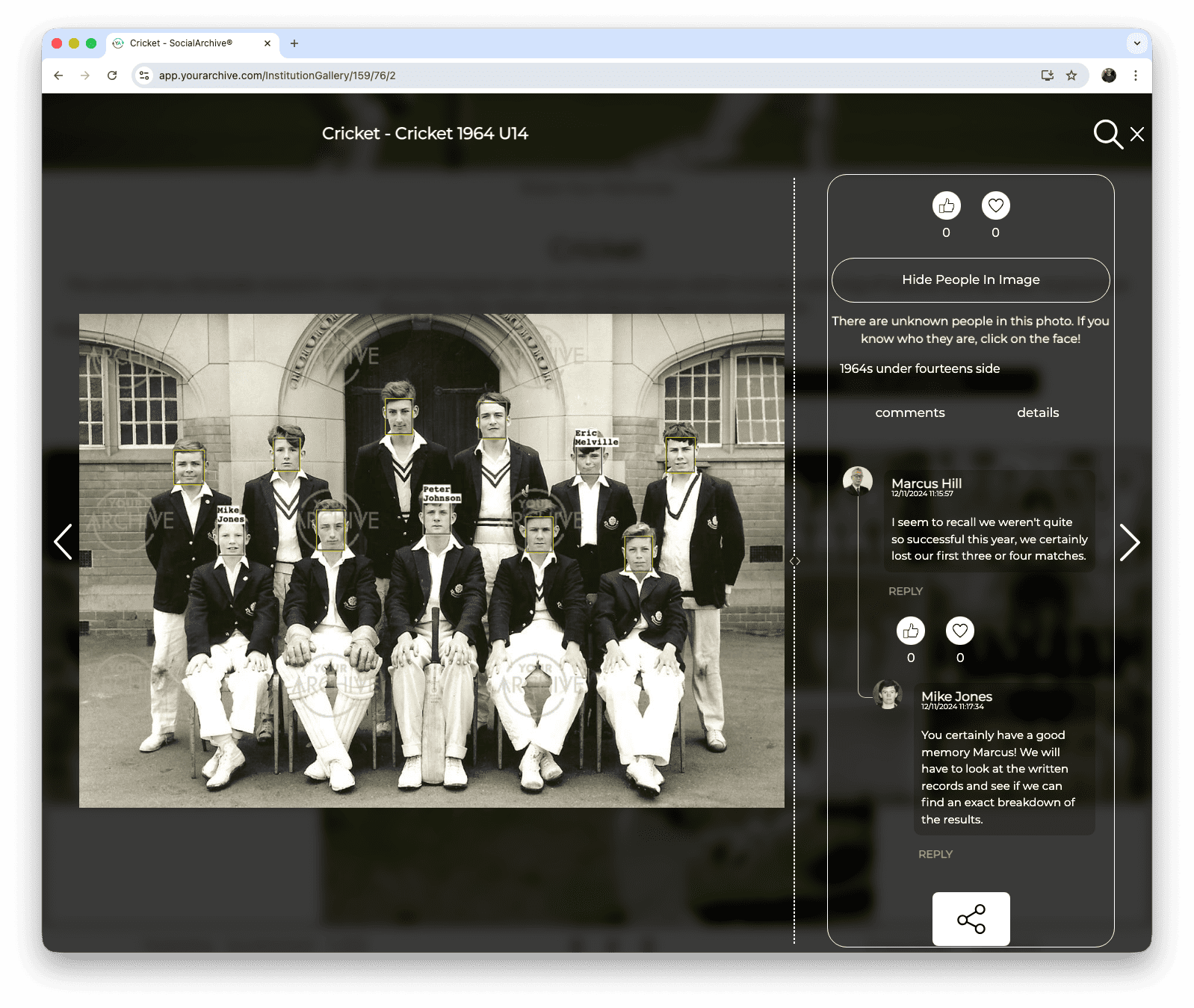
If a digital archive relies on one person uploading and managing everything, it will struggle to grow.
The most sustainable archives are designed to share the workload. They:
Allow multiple contributors
Use simple, guided upload processes
Capture context at the point of submission, not months later
This is where schools often unlock unexpected capacity.
Think beyond staff alone. Alumni, students, parents, former colleagues and volunteers are often your richest source of material and support, especially when contributing is straightforward and well-defined.
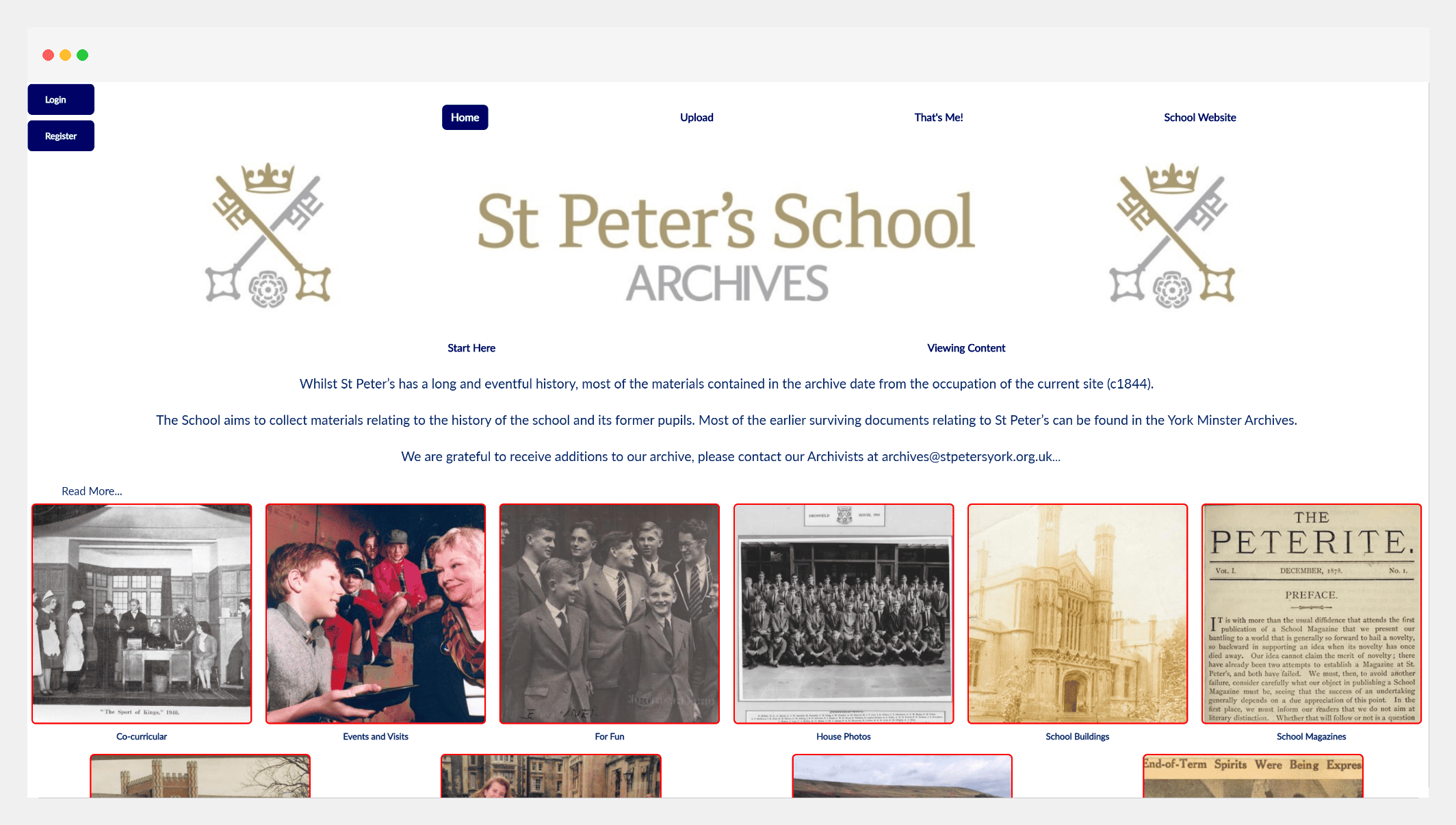
Many schools have successfully involved volunteers to help upload, identify and contextualise archive material, saving staff time while strengthening community ownership of the archive. Read how St Peter’s School, York used volunteers to save time and manage costs.
When contribution is easy and shared, the archive stops feeling like an extra task and starts to feel like a collective effort.
Step 5: Structure Just Enough (Not Perfectly)
You do not need archival-level cataloguing to start.
Focus on:
Clear titles
Basic dates or eras
Simple tags (people, places, events)
Short descriptions that explain why something matters
This structure is what makes content searchable, reusable and discoverable.
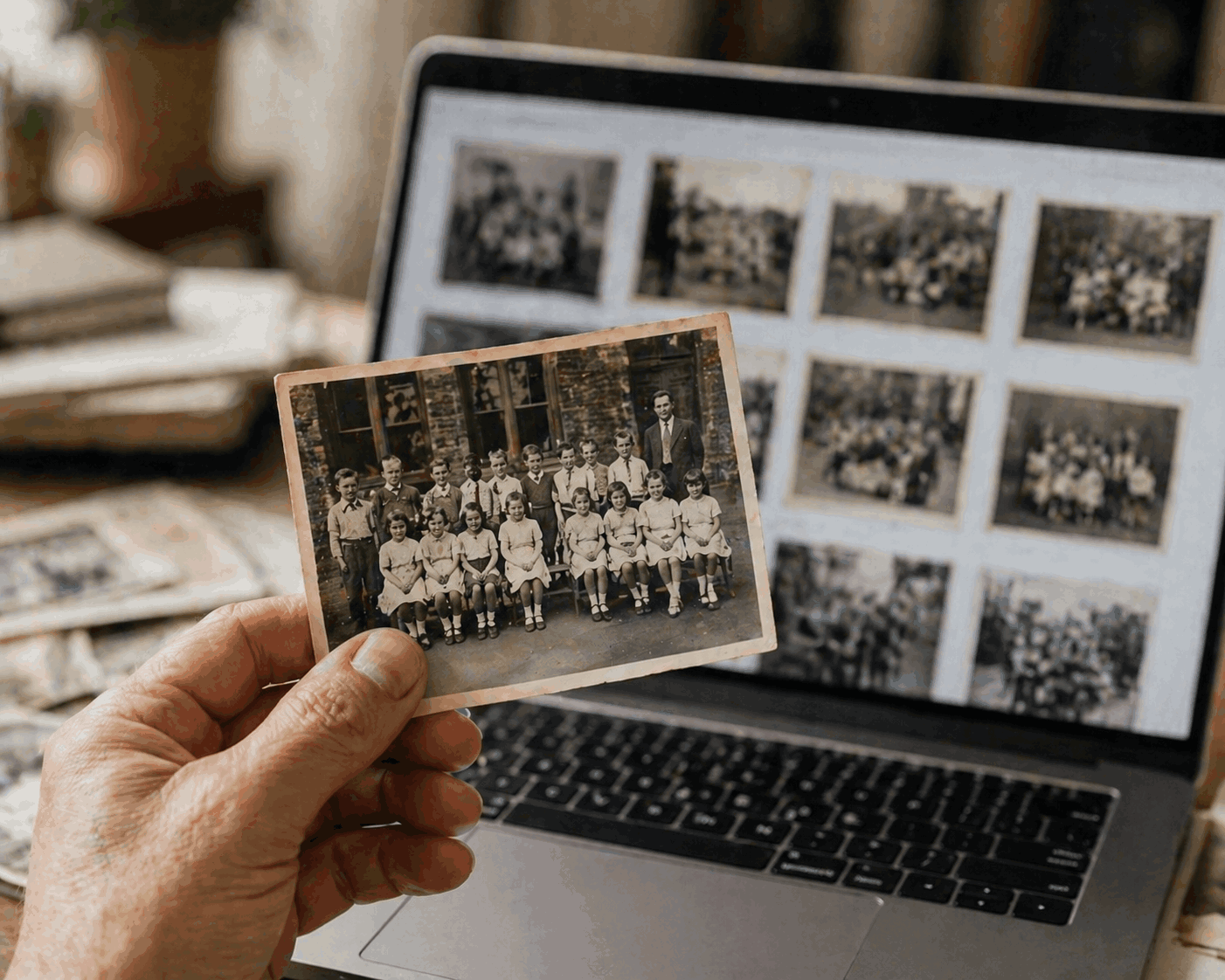
It’s also worth remembering that much of this work no longer has to be done entirely by hand. Modern digital archive tools can support tasks such as identifying faces across photographs, extracting text from documents through OCR, or generating transcripts from audio and video recordings. These technologies can significantly reduce manual workload while improving searchability over time.
Starting with simple structure and allowing technology to assist as your archive grows is often more sustainable than trying to catalogue everything perfectly from the beginning.
Step 6: Choose a Platform That Fits Your School’s Needs
When schools start thinking seriously about their digital archive, the question is rarely whether they need something beyond ad-hoc storage or social platforms. It’s what kind of system will actually work for them long term.
Some schools have relied on general-purpose tools to hold digital files. Others already have established archival practices or legacy systems in place. In both cases, the challenge is the same: finding a platform that can manage material properly and make it usable.
For schools with existing archival systems, this often means asking:
Can this system grow as our archive grows?
Can it be used confidently by non-specialists?
Does it support storytelling, engagement and reuse, not just preservation?
Can it accommodate community contribution without compromising standards?
For schools starting from scratch, the priority is usually different:
A clear structure without heavy complexity
Simple contribution and upload workflows
Confidence that material will be preserved properly
The ability to use archive content across school life
A platform like SocialArchive is designed to support both scenarios. It can replace fragmented or legacy systems entirely, or form the core of a school’s archival approach, offering:
Secure, long-term digital preservation
Structured metadata suitable for both professional and practical use
Flexible access controls
Support for community storytelling and contribution
Easy reuse of material across admissions, alumni and development work
The right platform doesn’t force schools to choose between rigour and usability. It allows archives to be properly managed, actively used, and sustainable over time.
Step 7: Build in Small, Repeatable Habits
The schools that succeed with digital archives don’t treat them as projects. They treat them as habits.
Examples:
Upload photos after major events
Capture reflections from leavers each year
Invite alumni contributions once per term
Add archive content into regular communications
Consistency matters far more than scale.
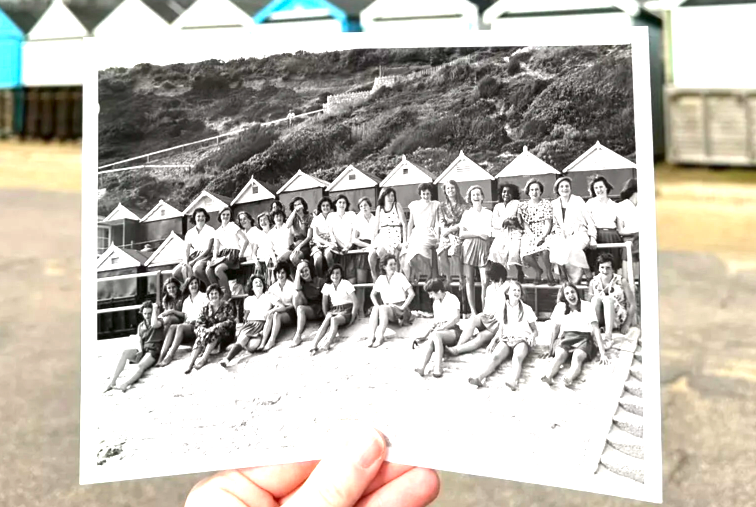
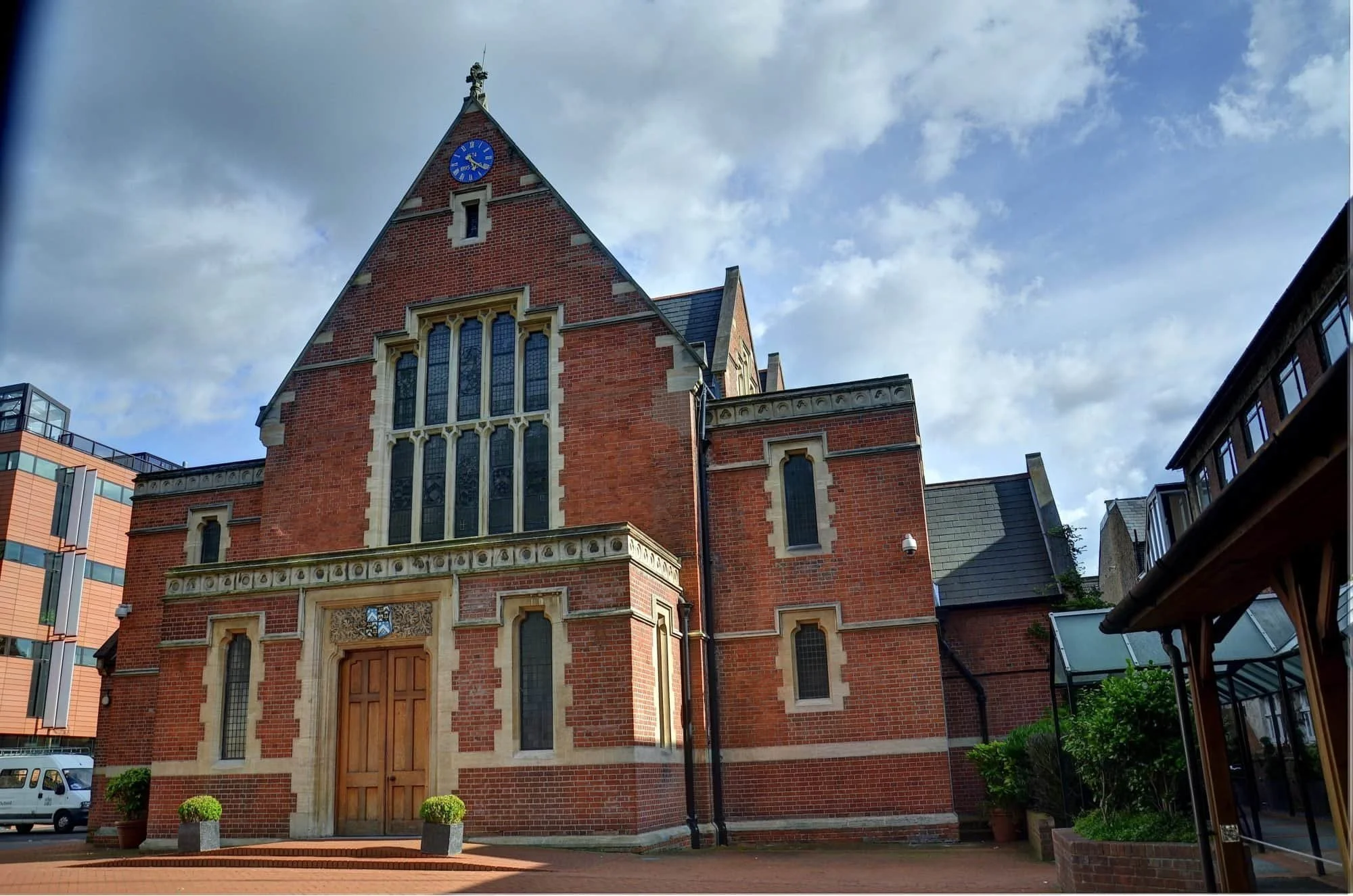
An example ‘throwback’ image.
Step 8: Use the Archive Early (This Builds Buy-In)
An archive that just “sits there” is easy to deprioritise.
Use it early:
Share a throwback post
Feature an alumni story
Support an admissions narrative
Include archive content in a campaign
When colleagues see the archive being used, it stops feeling like extra work and starts feeling like shared infrastructure.
Step 9: Accept That It Will Never Be Finished (And That’s OK)
A digital archive is not something you complete.
It evolves:
As your school changes
As new voices are added
As technology shifts
As new stories emerge
The goal is not perfection. The goal is continuity.
Why Starting Matters More Than Getting It Perfect
Most schools are doing their best to protect their history with the time, tools and capacity they have. Photos are saved. Magazines are stored. Stories are shared informally. The intention is there.
What often slows progress is waiting for the right moment: more time, more staff, more budget, or more certainty about how everything should work.
The reality is that a digital archive doesn’t need to be perfect to be valuable. It just needs to exist, grow gradually, and be easy to contribute to.
You don’t need an archivist to begin.
You need a clear purpose, a manageable starting point, and a platform that works with the way schools actually operate.
In short, starting a digital archive is about progress, not perfection. Start small. Use what you collect. Let it evolve.
Your future community will thank you.
Thinking About Starting?
Every school’s archive journey is different. Some begin with a small collection of photos. Others start with alumni stories or anniversary projects.
If you’d like to explore practical ways to begin, or see examples of how other schools are approaching this, please contact us or book a short conversation here.
FAQs:
Do schools really need a digital archive?
Yes, but not in the traditional sense many people imagine. A digital archive helps schools preserve photos, stories and records in a way that makes them usable, searchable and meaningful over time. It supports continuity, storytelling and engagement, rather than simply storing files.
Can a school start a digital archive without an archivist?
Absolutely. Most schools do. The key is starting with a clear purpose, a manageable scope and simple processes. Many successful school archives are built gradually by small teams, supported by alumni, students or volunteers.
What should a school archive first?
It’s best to start with high-value material such as historic photos, recent digital images, alumni magazines, oral histories or student reflections. If something would matter to your community in 10 or 20 years, it’s a good candidate to collect now.
How is a digital archive different from cloud storage or shared drives?
Cloud storage tools are designed to hold files, not preserve context. A digital archive keeps material searchable, structured and connected to stories, people and events, making it easier to reuse content for communications, engagement and long-term preservation.
Does a digital archive have to be finished before it’s useful?
No. In fact, the most effective digital archives are never “finished”. They start small, deliver value early and evolve over time as new stories are added and the school community grows.
Other resources you may find useful: