Careers Advice on Demand: What Schools & Universities Can Learn from Streaming Services
Summary: Today’s students are used to on-demand, personalised content from platforms like Netflix, YouTube and Spotify, yet most careers advice is still delivered through one-off talks, brief interviews and annual fairs. This model is hard to revisit, generic and rarely student-led. The article argues for a “streaming mindset” in careers education: building an on-demand, searchable, alumni-powered careers archive that students can access whenever they need it.

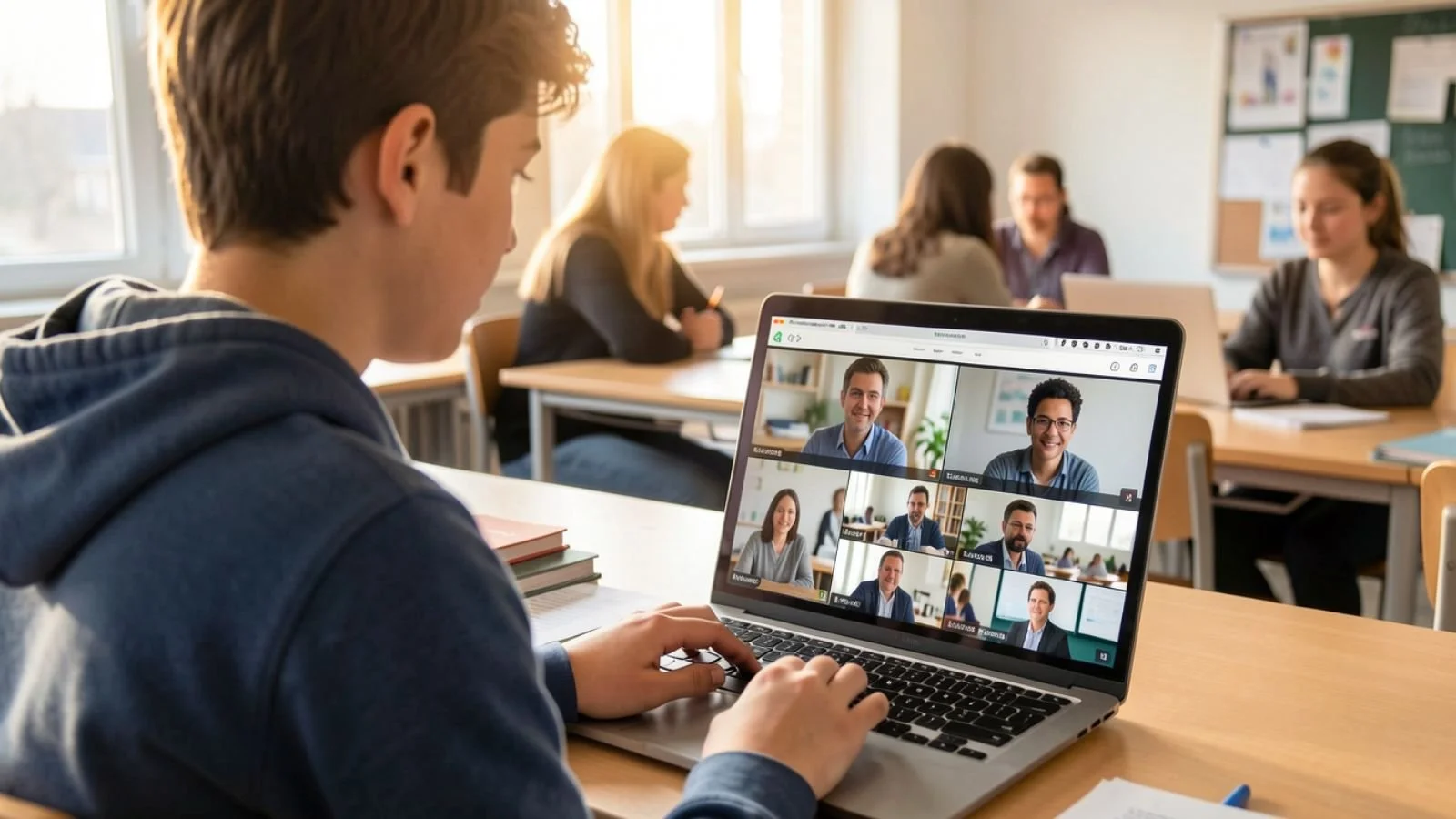
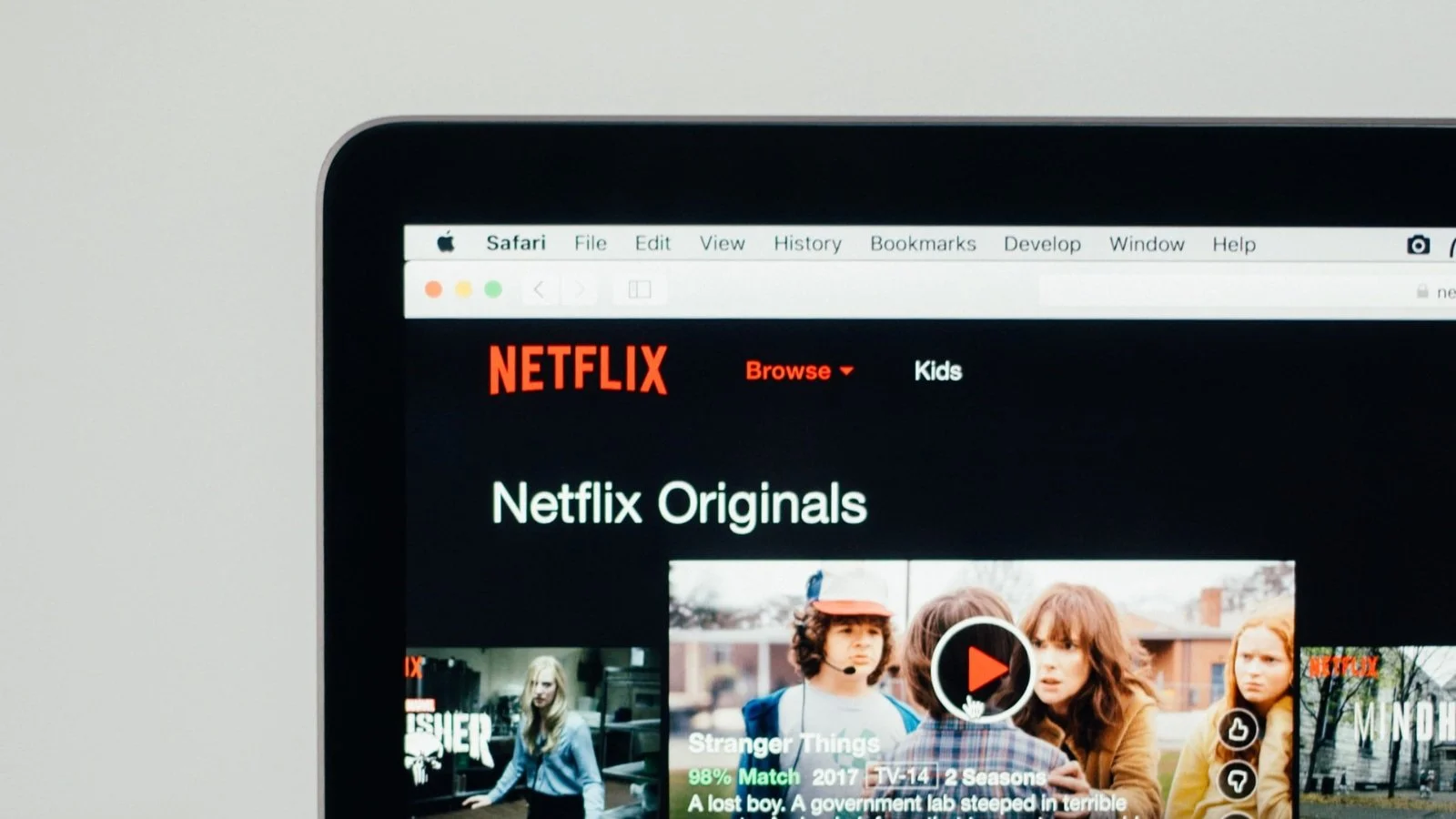
Students are used to content that’s curated, accessible, and instantly available at their fingertips. The traditional model of careers advice, usually delivered via one-off assemblies, brief interviews, or annual careers fairs, is no longer fit for purpose. Pupils today consume information differently, and their expectations for access, engagement, and personalisation have been shaped not by the classroom, but by the likes of Netflix, YouTube, and Spotify.
What if schools took inspiration from these platforms and applied the same principles to careers education?
What if careers advice was available on demand, tailored, searchable, and student-led?
It’s time to rethink how we deliver careers guidance, and the answers may lie in the platforms we turn to for entertainment.
The Streaming Mindset: Lessons from Netflix, Spotify, and More
Streaming platforms have changed the way we discover, consume, and interact with content. Their power lies in a few key characteristics that make them irresistibly engaging (and surprisingly applicable to education):
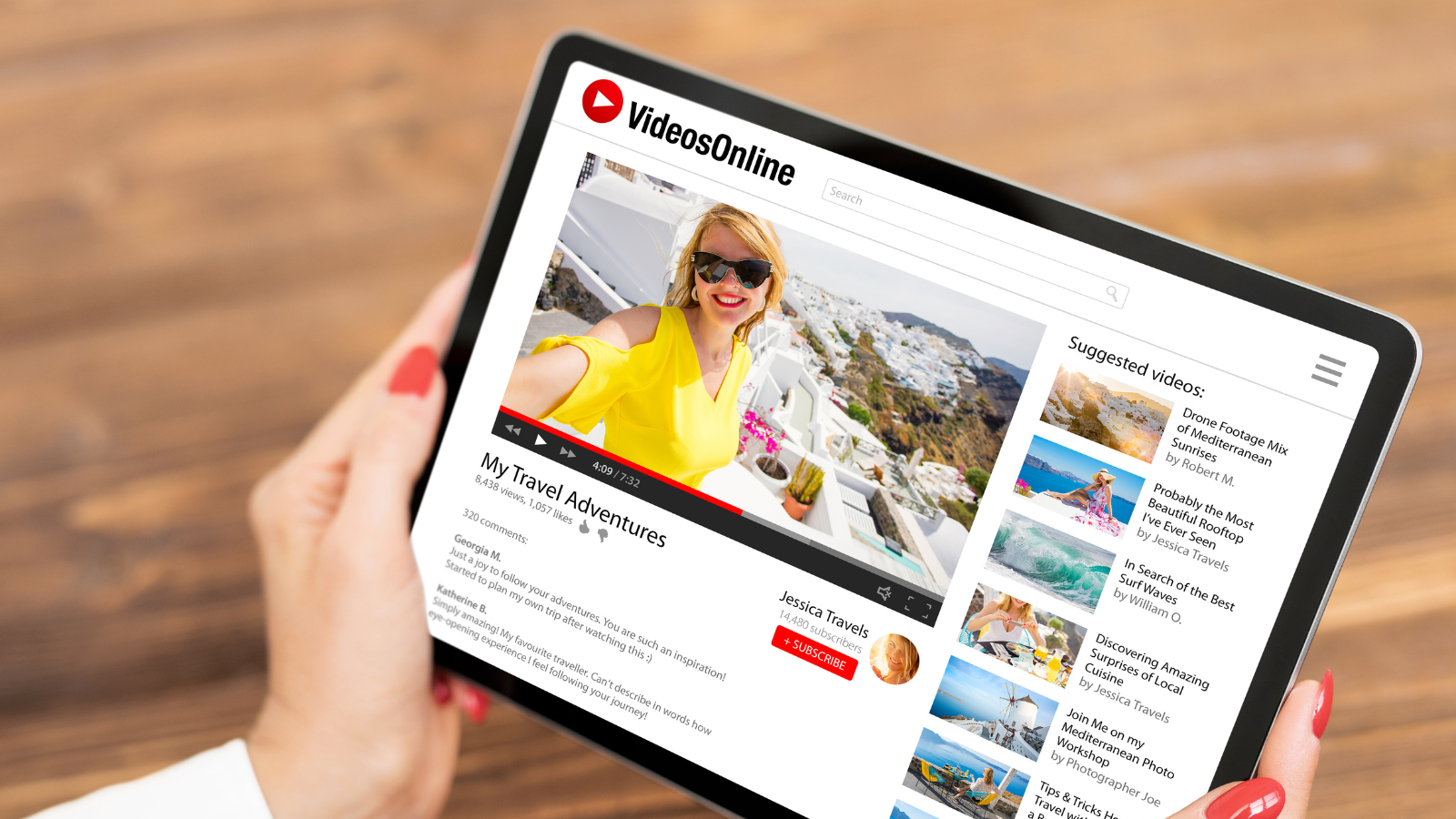
On-Demand Access: Content is available anytime, anywhere. Users don’t have to wait for a scheduled broadcast, they engage when it suits them.
Personalisation: Algorithms recommend content based on individual interests, past behaviour, and preferences, making the experience feel tailor-made.
Bingeability & Replayability: Users can explore at their own pace, rewatching or diving further into a topic that catches their attention.
Diversity of Voices: Streaming services offer content from a wide range of people, cultures, and viewpoints, giving audiences the chance to hear stories that resonate with them personally.
These features offer more than just convenience. They create connection. They make people feel seen, understood, and empowered to explore.
Now, let’s imagine what that would look like in a school’s careers programme.
The Problem with Traditional Careers Advice

For decades, careers guidance in schools has largely followed the same pattern: bring in a speaker, hand out a few leaflets, maybe organise a half-day fair where pupils rotate between employer stands or alumni panels. While well-meaning, these efforts often fall short.
Why? Because they’re:
Ephemeral
If a student misses a talk, or zones out for a moment, the opportunity is gone.
One-size-fits-all
A single speaker can't address the vast range of interests, ambitions, and anxieties in a classroom.
Hard to revisit
There’s no easy way to re-access advice, reflect on it, or share it with peers or parents.
Not student-led
Pupils often have little say in who they hear from or what topics are covered.
This isn’t a criticism of hardworking careers leads or enthusiastic alumni, it's about reimagining the delivery system to be fit for the modern learner.
Streaming Careers Advice: What It Could Look Like
Borrowing from the streaming model, schools can create a more accessible, engaging, and scalable system of careers education. One that puts pupils in control of their exploration and engages alumni and professionals in more flexible, sustainable ways.
Here’s what a “Careers Streaming Platform” might offer:
🎤 Voices from the Real World
Instead of relying on who can attend in person, schools can invite alumni and professionals to record short video or audio clips asynchronously. Contributors answer curated career questions like:

What was your first job after school or university?
What surprised you about your career path?
What advice would you give your 16-year-old self?
What does a typical day in your job look like?
These recordings can be uploaded, transcribed, and stored in a searchable digital archive. Suddenly, you’ve created a living, breathing careers library, accessible at any time.
🔍 Searchable, Filterable Content
Just like Netflix lets users browse by genre, schools can allow students to search by industry, job type, education path, or skillset. A student interested in graphic design can instantly access content relevant to that field, while someone else looking into healthcare or apprenticeships can filter accordingly.
💡 Student-Led Exploration
Instead of being told what careers are relevant, students take ownership. They browse, save, and revisit stories that interest them. They can even ask follow-up questions or suggest new areas they’d like to learn about. building a more meaningful sense of agency.

⏳ Access on Their Schedule
Teenagers may not always be ready to absorb careers advice at the time it's given. But give them access to alumni insights on demand, and they can return when it’s relevant, whether that’s before choosing GCSEs, applying for university, or preparing for an interview.
Alumni Voices: A Key Ingredient
One of the most valuable, and underused, resources for schools and universities is their alumni. Former pupils who have gone on to navigate the working world offer relatable, real-world perspectives that connect more deeply with students than generic employer videos or scripted job descriptions ever could.
But alumni are busy, often geographically dispersed, and can’t always attend live events. This is where asynchronous, on-demand contribution becomes powerful.
Using platforms like SocialArchive, schools and universities can easily invite alumni to share their stories, recording at a time and pace that suits them. The result is a growing digital library of real career journeys from people who once sat in the same classrooms, faced the same decisions, and have relevant advice to share.
Benefits for Schools and Students
Bringing a streaming-inspired approach to careers guidance offers clear advantages:
✅ Scalability: Build once, share often. Recordings can serve thousands of students across multiple year groups and campuses.
✅ Inclusivity: Students hear from a wider range of voices and pathways, including underrepresented industries, routes, and backgrounds.

✅ Personalisation: Pupils can explore stories that match their interests, identities, or aspirations, and skip the rest.
✅ Longevity: Career insights don’t disappear after the bell rings. They stay in the archive, ready to support the next cohort of pupils.
✅ Engagement: Hearing authentic stories. especially from relatable alumni, is more compelling than static presentations or job boards.
Getting Started: A Practical First Step
Schools and universities don’t need to build a Netflix clone to see the benefits of this approach. Start with a few simple steps:
Identify key career questions you’d like alumni or professionals to answer.
Reach out to your alumni network — via email, newsletters, or social media, and invite them to record their responses via a simple platform like SocialArchive.
Tag and store responses in an organised, searchable archive.
Promote the archive to students through tutor groups, careers sessions, or digital platforms.
Involve students in building and curating the resource, they can suggest topics, ask questions, and even create their own interviews.
The Future of Careers Advice is On Demand
Careers education shouldn’t be a fleeting, one-size-fits-all experience. Today’s students expect (and deserve) something more relevant, more flexible, and more personal. By learning from the streaming services that dominate young people’s lives, schools can build careers programmes that are not just informative, but inspiring.
On-demand careers advice isn’t a luxury, it’s a shift in mindset. It’s about making career guidance a continual, student-led journey rather than a once-a-year event.
And just like with streaming platforms, once students have access to content that resonates with them, they’ll keep coming back for more.
With SocialArchive, schools and universities can build a sustainable, on-demand careers resource that grows with them, and their students. Start building your careers archive today by getting in touch or booking a demo.
Key Takeaways:
Traditional careers advice is out of sync with how students now consume content: it’s one-off, hard to revisit and rarely personalised.
Streaming platforms offer a model: on-demand access, personalisation, replayability and diverse voices.
A “careers streaming platform” is possible by capturing short video or audio stories from alumni and professionals asynchronously.
Searchable, tagged content lets students filter by sector, role, route (uni, apprenticeships, etc.), skills and more.
Alumni are a powerful but underused asset, offering relatable, authentic stories that resonate more than generic employer content.
Benefits include scalability, inclusivity, personalisation, longevity and higher engagement with careers education.
Schools and universities don’t need to build Netflix. Starting with a simple archive of recorded answers to key questions is enough to get going.
FAQs:
What’s wrong with traditional careers advice?
Traditional approaches (assemblies, one-off talks, fairs) are time-bound, hard to revisit, and tend to be one-size-fits-all. If a student misses the moment or isn’t ready to engage, the opportunity is lost.
What does “streaming-style” careers advice mean?
It means applying principles from platforms like Netflix or Spotify to careers education: on-demand access, personalised recommendations, replayable content, and a diversity of voices students can explore in their own time.
How would an on-demand careers platform work in practice?
Schools and universities invite alumni and professionals to record short video or audio clips answering key careers questions. These recordings are uploaded, tagged and stored in a searchable archive that students can browse whenever they like.
Why focus on alumni voices?
Alumni have walked the same corridors, faced similar decisions and understand the school’s context. Their stories feel more relatable and authentic than generic employer videos or static job descriptions.
What kind of content should we ask alumni to record?
Short answers to questions like:
What was your first job after school/university?
What surprised you about your career path?
What does a typical day look like?
What advice would you give your 16-year-old self?
How does SocialArchive support this approach?
SocialArchive provides a simple way for alumni to record and upload content asynchronously, then helps schools tag, organise and store those recordings in a secure, searchable digital archive that students can access on demand.
Is this only suitable for large universities or big careers teams?
No. Any school or university can start small with a handful of alumni recordings and build from there. The archive grows over time and can serve multiple year groups and cohorts without needing to repeat the same live sessions.
Do staff need advanced technical skills to manage it?
Not at all. With a platform like SocialArchive, staff can invite contributors, approve and tag content, and share the archive with students using straightforward tools and workflows.
Other articles that may be of interest: