The Power of Facial Recognition in School Archives
Summary: Facial recognition is transforming digital school archives from static collections into dynamic engagement tools. By allowing alumni to instantly find themselves and their peers in historic photos, institutions can spark nostalgia, deepen emotional connection and personalise outreach at scale. This article explores how facial recognition enhances browsing, communication and fundraising, and why it represents a powerful opportunity for schools and universities looking to build stronger lifelong relationships.
In the evolving landscape of alumni engagement, institutions are increasingly turning to innovative solutions to deepen connections with their past students, teachers, and their wider community. One often-overlooked tool in achieving this is the integration of facial recognition features within your school digital archives.
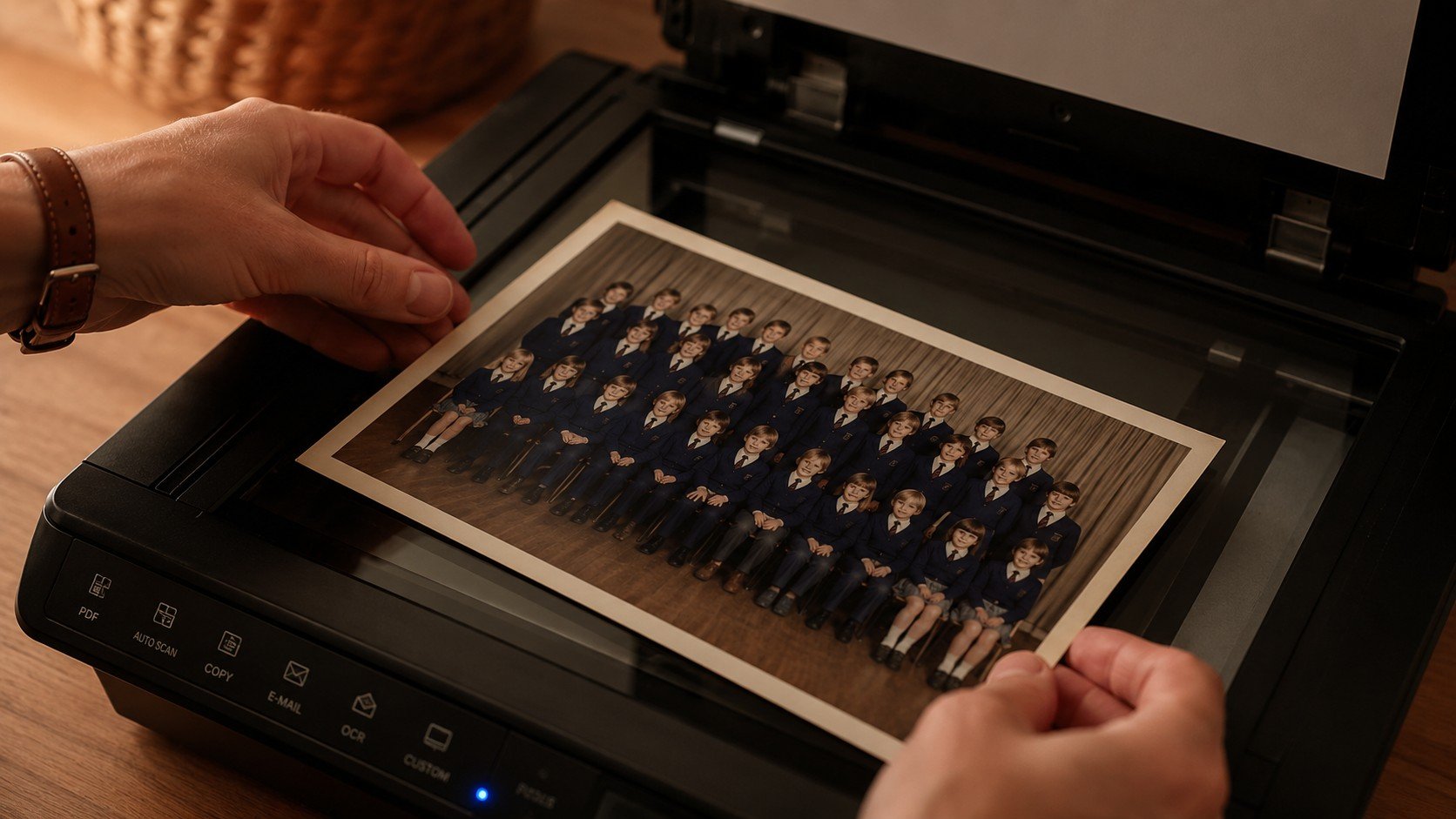
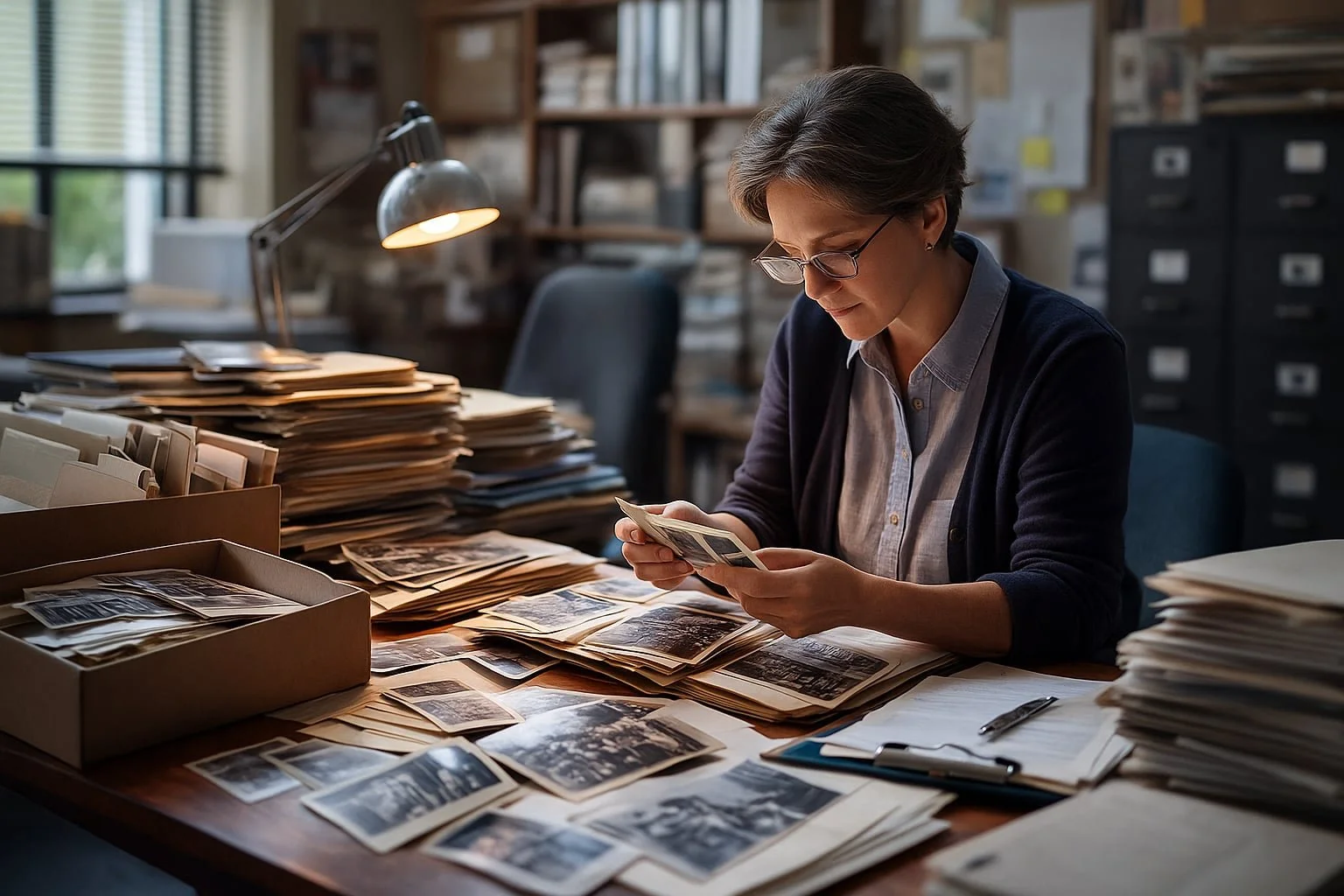
Digital school archives serve as virtual time capsules, preserving the rich history and memories of an institution. They contain a wealth of information, from handwritten letters, old school photographs, to records of past events, and students. However, navigating through vast collections of images, documents and videos can be a daunting task, especially for your alumni seeking to reconnect with you and their past friends.
This is where facial recognition technology steps in - to revolutionise the way your alumni can engage with your archives.

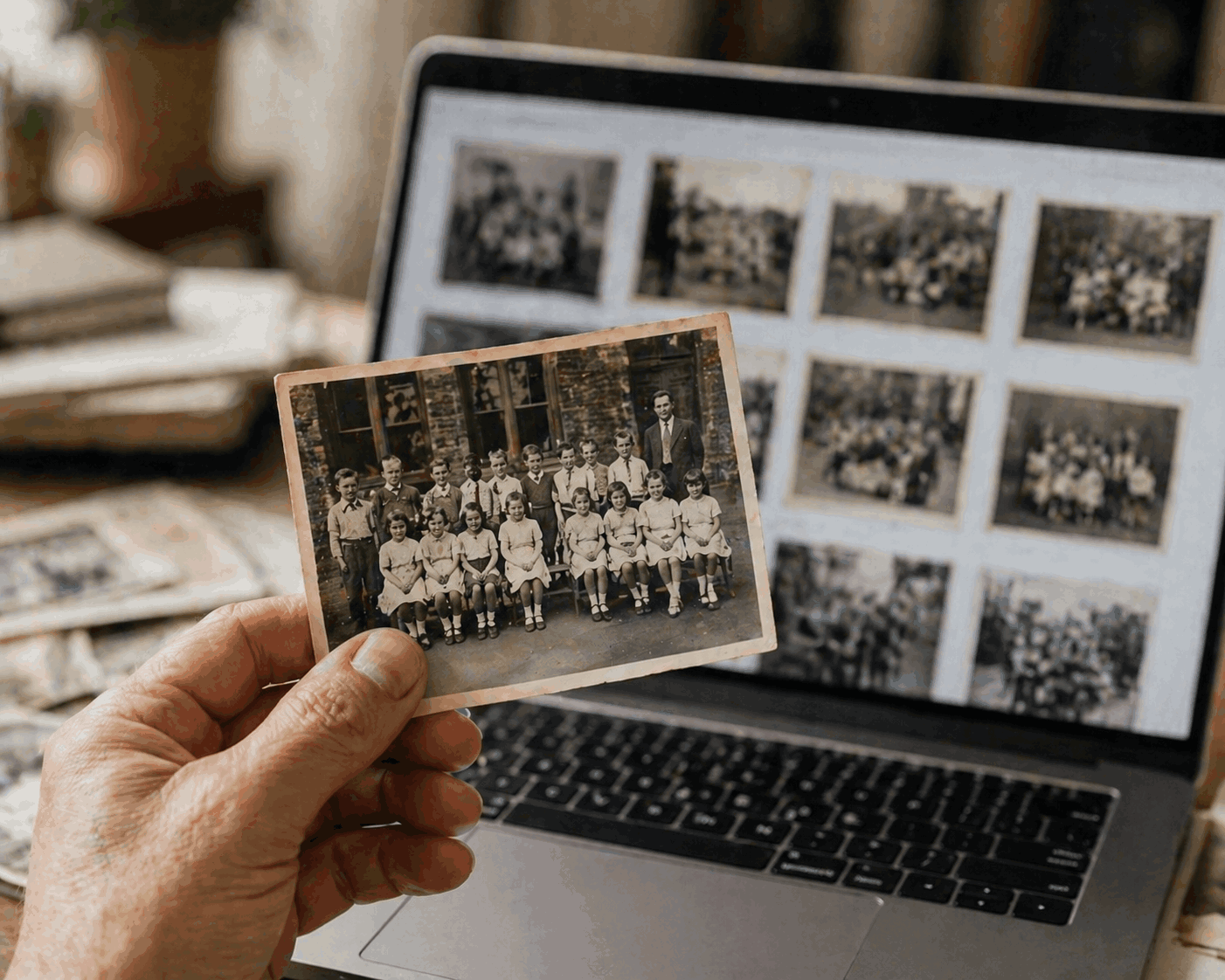
Imagine browsing through your institution’s digital archive and effortlessly locating photos of yourself and your friends from your school, college or university days...
Imagine if you could get notified when a new image of you is added to the archive – or when a new comment is added…
With facial recognition technology, this becomes a reality.
Facial recognition algorithms analyse the visual data within images, enabling swift identification of individuals. Alumni can effortlessly locate themselves and their peers in archived photographs, triggering a rush of nostalgia and emotional resonance. This seamless access to personal memories fosters a deeper connection with your school or university, strengthening the relationship with them.
Yet, the potential of facial recognition transcends mere browsing efficiency.
It offers a wealth of insights for your alumni relations and development teams, empowering you to craft personalised communications tailored to the unique experiences of each member of your community.

Imagine receiving an email invitation to a reunion, adorned with personalised images from past events. This thoughtful gesture not only evokes fond memories but also reinforces the sense of belonging within your alumni community.
Furthermore, when targeting alumni from specific graduating cohorts, such as those from the class of 1987 for example, personalised communications can incorporate images from that era. This tailored approach demonstrates a profound understanding of individual histories, further enhancing alumni engagement and loyalty.
Personalised content has long been recognised as a catalyst for deeper engagement and stronger relationships. This principle extends to fundraising efforts as well. By leveraging your digital archives, and the facial recognition technology within it, to tailor communications to each alum’s personal history and experiences, you can significantly amplify the impact of your campaigns. Whether highlighting projects aligned with an alum’s interests or showcasing the tangible outcomes of their past contributions, personalised communications can inspire donors to invest in the continued success of your institution.
The integration of facial recognition tools within school or university digital archives represents a transformative leap in alumni engagement. It offers a personalised window into your history, fostering nostalgia, connection, and community among alumni. By embracing this technology, institutions can unlock the full potential of their school archives, enriching the alumni experience and laying the foundation for enduring relationships.
Automated facial recognition is a cornerstone feature of SocialArchive. Book a demo today or email info@socialarchive.com to find out more.
Key Takeaways:
Facial recognition makes archives instantly personal. Alumni can quickly find photos of themselves and their friends, triggering emotional connection and renewed interest in their school community.
Personalised memories drive deeper engagement. Tailored archival imagery, such as reunion invitations with photos from an alum’s era, strengthens belonging and community loyalty.
The technology supports targeted communication. Alumni teams can filter images by cohorts, events, or individuals to create highly relevant, era-specific outreach.
Personalisation boosts fundraising impact. Using archive-led insights and imagery to align appeals with each alum’s story increases emotional resonance and donor motivation.
Facial recognition unlocks the full value of archives. It transforms vast collections into accessible, meaningful experiences that foster nostalgia, connection and long-term alumni relationships.
FAQS:
How does facial recognition enhance alumni engagement?
It allows alumni to instantly find photos of themselves and peers, creating emotional resonance and encouraging them to reconnect with your institution and its community.
What does facial recognition actually do within a digital archive?
It scans and matches faces across photographs, helping users navigate large collections efficiently and discover personal memories with ease.
Can facial recognition improve alumni communications?
Yes, alumni teams can use identified images to personalise emails, reunion invitations, event reminders and campaign materials, making outreach more relevant and impactful.
How does this technology support targeted fundraising?
By connecting archival imagery to individual alumni, institutions can align appeals with personal histories, past involvement or areas of interest, strengthening donor motivation.
Is facial recognition useful for specific graduating cohorts?
Absolutely. Teams can surface images from particular years or events (e.g., Class of 1987), making communications highly tailored and contextually meaningful.
Why integrate facial recognition into a school archive?
It transforms a passive archive into an interactive engagement tool. Boosting nostalgia, accessibility, personal relevance and long-term alumni loyalty.
Other articles that may be of interest: