From Memories to Momentum: 9 Alumni Campaigns to Try This Year
LAST UPDATED: August 2026
Summary: Nine practical alumni engagement ideas, from quick photo prompts to a playful graduation-year giving ask, that turn memories your community already has into reasons to engage this year.
As another academic year begins, advancement and alumni relations teams across schools, colleges and universities will be looking ahead at a familiar calendar.
Welcome events. Open days. Homecoming. Reunions. Fundraising campaigns. Giving days. Career networking events.
It’s easy for attention to go straight to fundraising targets and the big campaigns on the calendar. But some of the strongest community engagement doesn’t come from a single major push, it comes from the small, regular touchpoints across the year: an email here, a social post there, a moment pulled from the archive at just the right time.
We've pulled together nine practical campaigns that schools, colleges and universities can run this year. More importantly, each one transforms existing institutional memory into something active, participatory and genuinely useful.
And most importantly, none of them need a big team or a big budget to get started.
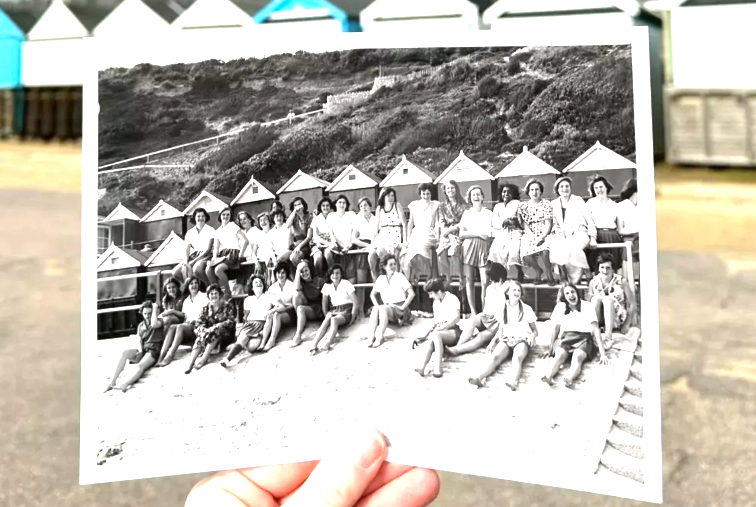
1. “Then and Now” Photo Pairs
Take an old photograph, a sports team, a school play, a common room, and pair it with a current photo of the same spot, event or tradition today.
How to run it:
Pull six to eight strong archive photos, find their modern equivalent, and post them as a paired series over several months. Because these can be scheduled in advance, a spare half hour now means one less post to think about later, right when things get busiest. Ask alumni in the comments to identify themselves or add context. This is one of the lowest-effort campaigns on this list and consistently performs well on social media.
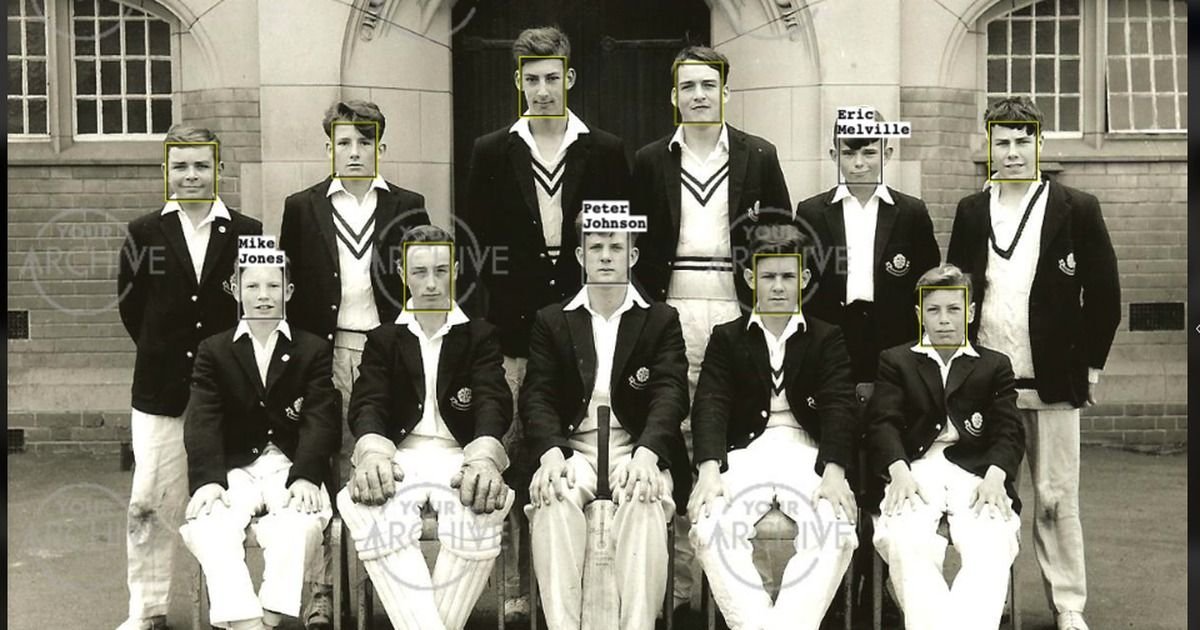
2. Guess Who? Photo Identification
A genuine unsolved problem, unlabelled archive photos, becomes a participation campaign rather than a filing task. It also works well as a straightforward bit of fun: “Do you remember this teacher? Who can name them first?” gets people racing to comment in a way a straight information request doesn’t.
How to run it
Post an unidentified photo
Ask alumni to name who's in it, or when it was taken.
Mix up the format to keep it fresh
A much-loved teacher, an old tradition, a corner of the school now gone.
Treat every reply as free archive data
Each answer is metadata for the archive, and a reason for that alumnus to engage.
Run it weekly or monthly, not once
It works exactly as well the tenth time as the first.
"First to guess" gives it competitive energy
3. “Three Words” Campaign
Ask alumni to reply to a single email with exactly three words that sum up their time at the school. Or narrow it to a particular event or tradition. That’s the whole ask, nothing to draft, nothing to think too hard about, which is exactly why it gets replies.
How to run it:
Keep the email as short as the ask itself: a subject line, one line of context, three words. Once responses come in, turn them into a word cloud or word map for social media or the archive. It’s also worth looking at whether the words cluster differently by decade, alumni from the 1980s and alumni from the 2010s rarely describe the same place the same way, and that contrast is genuinely interesting content on its own, as well as a useful thing to have in the archive.
What comes back
A sample word cloud built from real three-word replies. Useful for spotting patterns, checking them against your stated values, or mining for marketing copy in your community's own words.
The results are worth more than a nice social post, too. Read across enough replies and a genuine pattern emerges, the words your community actually reaches for when nobody's prompting them. That's a useful cross-check against the values on your website, and a source of marketing or admissions copy that sounds like something a real person said, because it is.
4. “Do You Remember When...?” Series
Ask alumni for their funniest, most memorable stories, the ones that get retold at every reunion. Nostalgia and humour are one of the most reliable combinations for social media engagement, and the stories themselves become a genuine reason for other alumni to comment with their own version of events.
How to run it:
Post the question as a simple prompt, “What’s the funniest thing that happened during your time here?” and ask for a comment or a short video reply. Store the responses in the archive rather than letting them disappear into a comments section, they’re worth as much to a browsing alumnus five years from now as they are on the day they’re posted, and each one is a natural invitation for someone else to add their own version of events.
One prompt, a thread of its own
Posted to alumni
What's the funniest thing that happened during your time here?
5. Leavers’ Reflections for Next Year’s Cohort
This year’s leavers’ memories are still incredibly fresh, and their relationship with you is probably as strong as it will ever be. Ask them to record a short reflection on what they’re looking forward to and what they’d tell next year’s leavers.
Take it further by asking regularly rather than once: what was freshers’ week like, what do they wish they’d known before starting, what advice would they give someone taking a gap year. This does two things at once. It gives your current final-year students genuine advice and reassurance from people who were in their seats a year ago, and it shows this year’s leavers you still care, right at the start of what’s hopefully a very long relationship.
How to run it:
A phone video is enough, no script or production needed. Bank the responses for next year’s results-day and orientation content, when a new cohort wants to hear from someone who’s been through it.
Pro tip: Using Spoken Stories, this is a genuinely simple process. Send a link to your leavers and they record their video or audio through the system, guided by prompted questions, no equipment or scheduling needed on either side.
6. “Donate Your Graduation Year”
A playful, specific micro-ask tied to a graduation year: 2008 becomes £20.08, 1995 becomes £19.95. Small, memorable, and different enough from a standard appeal to get noticed.
How to run it:
Pick one cohort a week and send that year group, and only that year group, a short email: “You left in [year], fancy donating £ [year-based amount] to this year’s bursary fund?” Pair it with a few archive pictures from their time with you, or better still, a link to a personalised online gallery from their years there, along with a prompt for a memory from that year. That way the email does three jobs at once: a small ask, something of genuine value in return, and a reason to reply with something personal. Sending to one cohort at a time keeps each email specific rather than one large blast to the whole list.
Pro tip: If you’re using SocialArchive, every member of your community already has access to a personalised online gallery of their time with you, ready to link to directly.
One cohort, one email, three jobs
It's been 18 years since you left us. Here's your gallery.
Hi Class of 2008,
It's been eighteen years since you left us, so here's your own personalised gallery from your time here.
View your 2008 gallery →While you're there, would you donate £20.08 to this year's bursary fund?
Every bursary place changes what's possible for a student here. See what your £20.08 could help fund →
And while you're there... what's one memory from that year you'd want the class of 2026 to know about?
7. “Where Are They Now” Career Spotlights
Short profiles of alumni in different careers, organised so students (or other alumni) researching a particular path can find someone who’s experienced the same.
How to run it:
Ask one alumnus per profile for two or three minutes on their phone: what they do, how they got there, one thing they wish they’d known. This is also the easiest way to seed a careers library from nothing, each spotlight becomes a permanent, searchable entry as well as great social media content.
8. Reunion Reflections, Captured Live
Reunions generate some of the richest, most honest alumni content of the year, and almost none of it usually gets captured. People are already in a reflective, nostalgic mood at a reunion, which makes it one of the few moments alumni will happily talk to a camera without much persuading.
How to run it
Set up a simple recording station
A laptop, or a phone on a tripod, tucked in one corner of the room.
Ask a few prompted questions
What's changed, what they remember most, what they'd tell their eighteen-year-old self.
The more specific the question, the better the response
Broad prompts get broad answers. Specific ones get real stories.
Keep it optional and low-pressure
Nobody should feel cornered into speaking on camera.
A handful of honest clips beats one long interview
Short and real outperforms polished and reluctant, every time.
Pro tip: A few of the strongest clips can go straight onto social media in the weeks after the event, while the rest becomes oral history in the archive, capturing memories that would otherwise fade the moment everyone heads home. This guide to turning alumni reunions into year-round engagement covers how to keep that momentum going well after the event ends.
9. Retiring Staff Legacy Spotlight
A long-serving member of staff leaving is a genuine moment, and one that alumni, not just current students, will engage with.
How to run it:
Ask alumni to share a memory or message for the retiring staff member, and compile it into something they actually receive, a video, a printed book, a shared page. This tends to generate strong engagement because it gives alumni a specific, emotionally resonant reason to respond that isn’t about themselves.
A Year of Small Moments That Add Up
The most effective alumni strategies rarely depend on a single campaign. They are built through consistency.
A photograph shared at the right moment. A memory captured before it's forgotten. A simple question that encourages someone to reply. Individually, these interactions might seem small. Collectively, they strengthen relationships, preserve institutional history and keep your community connected.
The start of a new academic year is the perfect time to put a few simple ideas into action. Pick one campaign. Put it in the calendar. See what resonates. Then build from there.
Because alumni engagement isn't something that happens only at reunions, anniversaries or during a fundraising appeal. It's the result of creating regular opportunities for people to reconnect with a place that continues to shape who they are.
Tried any of these? We’d love to hear how you get on!
Want help turning your archive into a running series of campaigns like these?
SocialArchive helps schools, colleges and universities capture, organise and surface alumni stories and photographs so campaigns like these are easy to run continuously. Contact us to find out more or book a demo here.
FAQs:
What are some low-effort alumni engagement campaign ideas?
Photo-based prompts tend to be the easiest place to start, pairing old and new photos, asking alumni to identify people in unlabelled images, or collecting a simple three-word response by email. None of these need a production budget or a big team, just something worth asking about and a way to collect the replies.
How often should schools run alumni engagement campaigns?
Little and often works better than one large annual push. A short, low-effort campaign every few weeks keeps the community engaged without requiring a big lift each time, and it builds a steady stream of content and stories rather than one intense burst followed by silence.
Do alumni engagement campaigns need a big budget or team?
No. Most of the ideas in this piece can be run by one person with a phone, an email account, and an afternoon. The main resource they draw on is the archive and community an institution already has, not new spend.
What's the best time of year to start alumni engagement campaigns?
The start of the academic year is a strong moment, since this year's leavers are still reachable and current students are actively thinking about the institution. That said, most of the ideas here work equally well at any point in the year, particularly ones tied to a specific event like a reunion or a retirement.
How can archive photos and stories be used for alumni engagement?
Archive material gives a campaign something to react to rather than a blank prompt. A photo, an old tradition or a half-remembered story gives alumni a specific, easy way to respond, and each response adds more to the archive, making it more useful the next time a campaign draws on it.
Other articles that may be of interest: